
Why Digital Advertising Space Matters More Than Ever
Digital advertising space is revolutionizing how businesses reach customers. It’s the designated area on websites, apps, and social media where ads appear. Unlike traditional media, it offers precise targeting, measurable results, flexible budgets, global reach, and quick deployment.
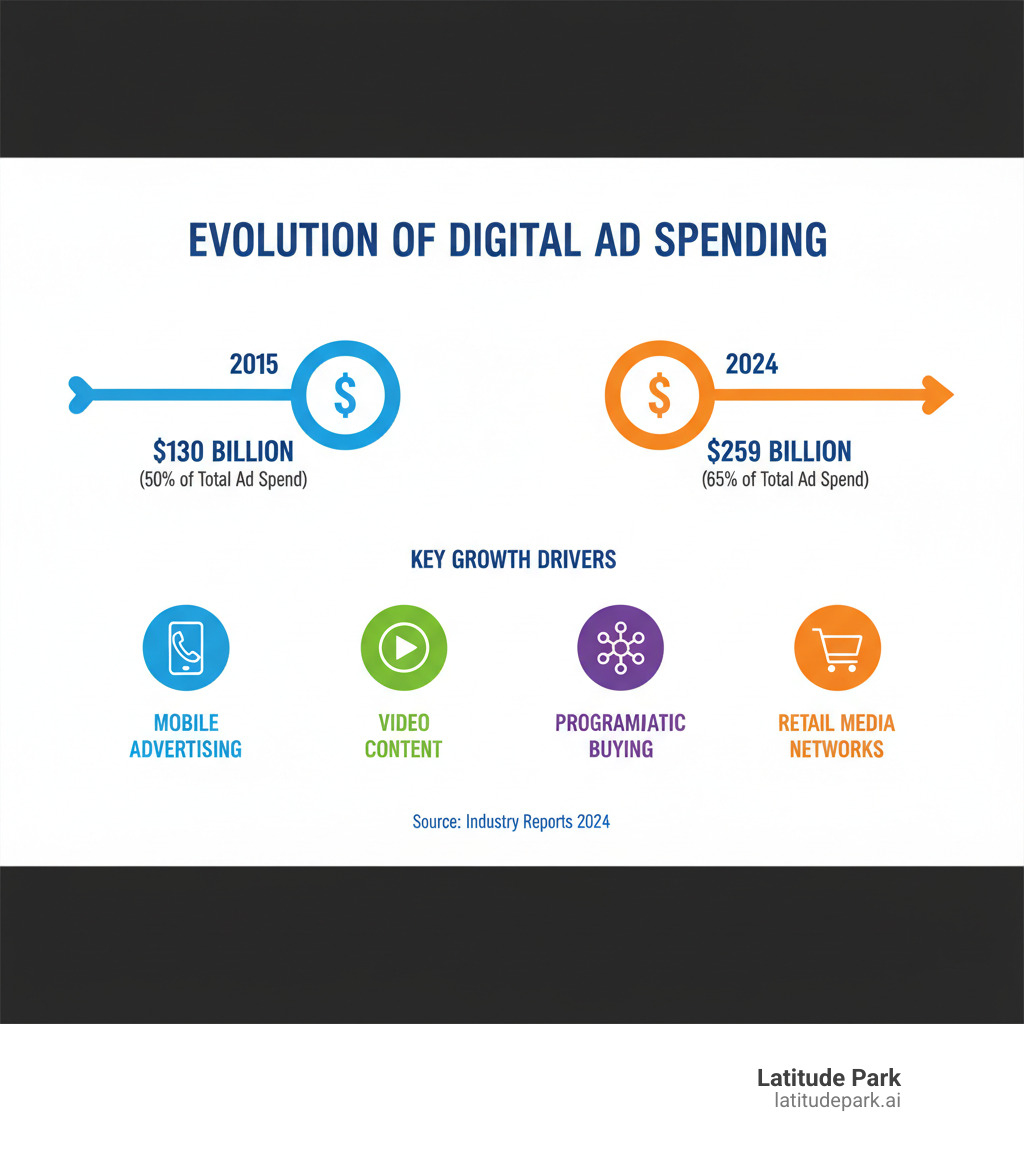
The numbers tell a compelling story. Internet advertising revenues hit $225 billion in 2023 and surged to $259 billion in 2024. Digital advertising now commands 63% of all media ad spend in Europe and continues to grow globally.
This shift has democratized advertising, allowing small businesses and franchises to compete effectively without the massive budgets traditional media required. However, the digital advertising space is complex and constantly evolving. With numerous platforms, ad formats, and targeting options—plus privacy regulations and AI-driven tools—knowing where to invest can be overwhelming.
I’m Rusty Rich, President and founder of Latitude Park, where I’ve spent over 15 years helping businesses steer the digital advertising space. We build performance-focused campaigns across search, social, and emerging channels. Understanding how this space works is essential for driving consistent growth, especially when managing campaigns across multiple franchise locations.
Understanding the Digital Advertising Space: Key Concepts
The world of online advertising is built on a few core concepts. Digital advertising space is the virtual canvas where your brand’s message appears across the internet. It’s a dynamic, interactive medium that adapts in real-time.
This industry’s economic power is transformative, representing up to 1.1% of U.S. GDP, according to research on the economic impact of digital advertising. It has become a major revenue source that allows many tech platforms to offer their services for free, fundamentally changing how we consume digital content.
What is digital advertising space?
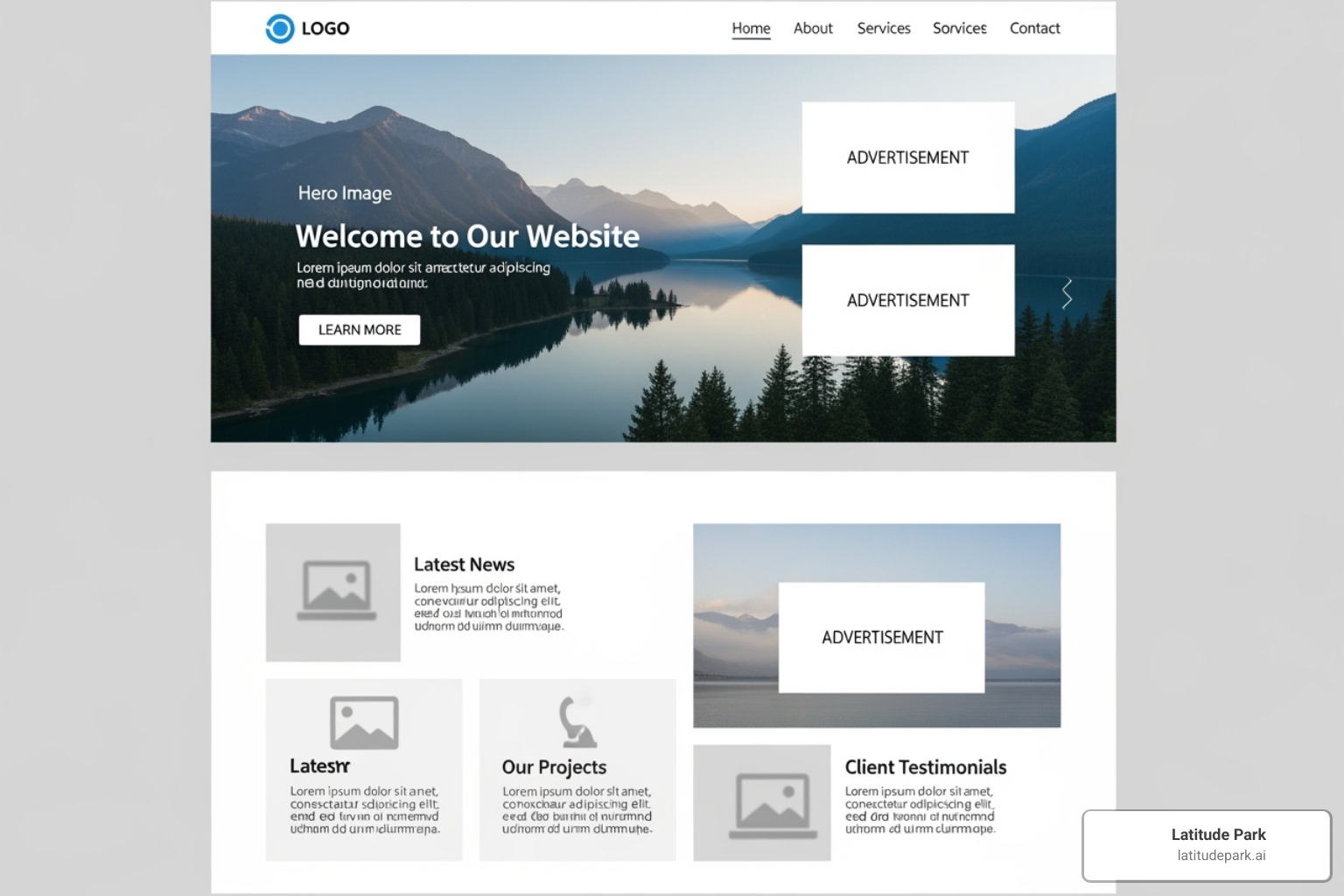
Think of digital advertising space as virtual real estate. It’s the designated area on any digital platform—websites, mobile apps, social media feeds, search results—where your ads can appear. Publishers, the owners of these platforms, manage this space as valuable ad inventory. They decide where ads can be placed and how much to charge based on factors like traffic, audience demographics, and ad placement.
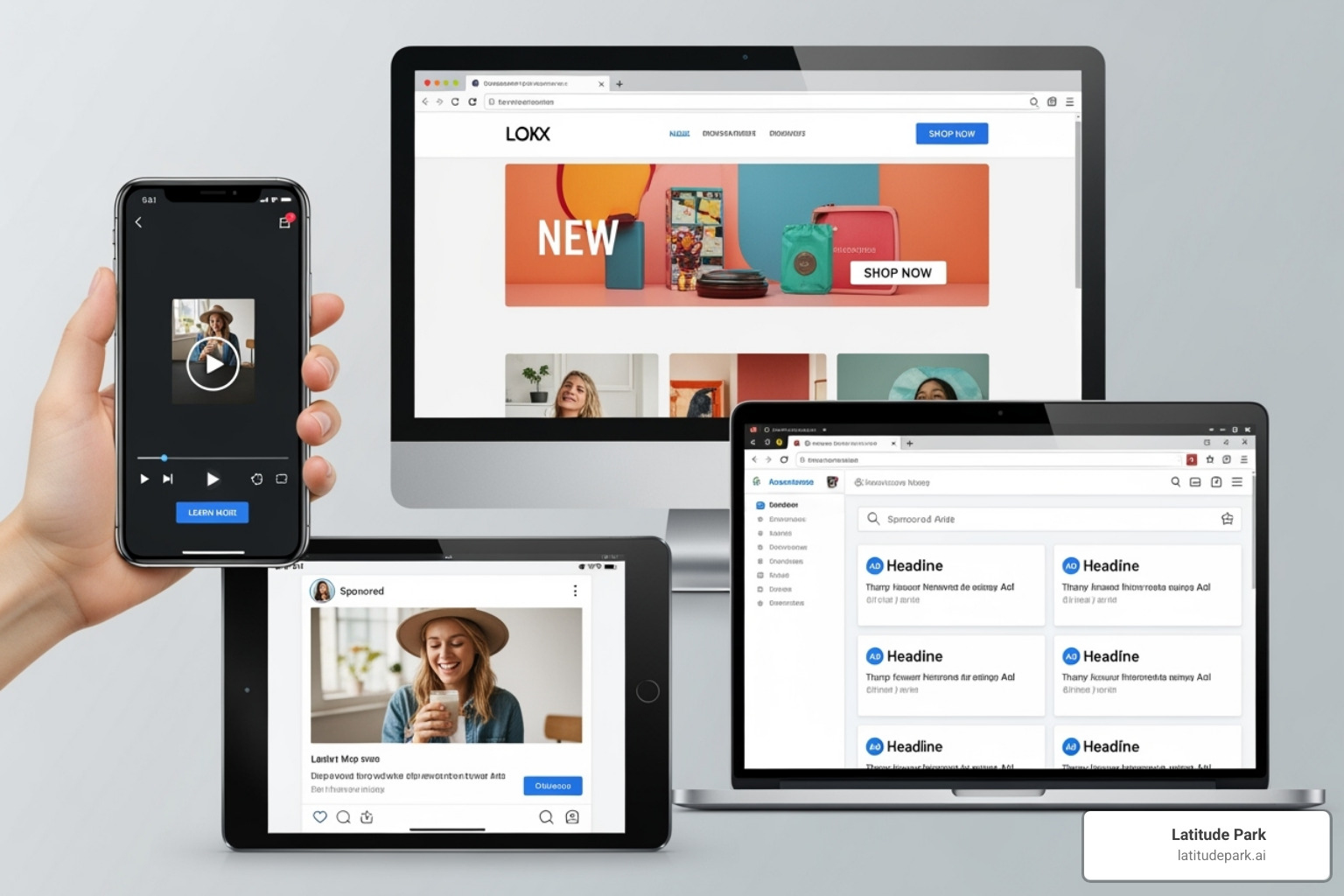
This space can be filled with various ad formats, including banner ads at the top of pages, video ads that play before content, native ads that blend in with their surroundings, and interstitial ads that appear between pages or app screens.
How does digital advertising differ from traditional advertising?
Traditional advertising is like shouting through a megaphone, hoping the right people hear you. Digital advertising is like having a direct conversation with your ideal customer.
Traditional advertising (billboards, magazine ads, TV commercials) casts a wide, untargeted net. It’s nearly impossible to know who saw your ad, if they cared, or if they took action. Connecting a sales uptick to a specific billboard is mostly guesswork.
Digital advertising space flips this model. Instead of hoping, you can target specific demographics, interests, and behaviors. You can reach coffee lovers within two miles of your shop and know exactly how many people saw your ad, clicked it, and made a purchase—all in real-time.
Key differences include:
- Flexibility: Digital campaigns can be launched in minutes and adjusted instantly based on performance. Traditional ads are fixed once they run.
- Measurability: Every impression, click, and conversion is tracked. You know your Cost-Per-Click (CPC) and return on investment (ROI) with precision, a level of detail absent in traditional methods.
- Interactivity: Digital ads invite engagement through clicks, forms, and purchases, enabling a direct response that traditional ads cannot offer.
For franchise businesses, these advantages are critical. Digital advertising allows you to run coordinated national campaigns while tailoring messages to each local market, tracking performance by location—a feat nearly impossible with newspaper ads or radio spots.
Types of Digital Ad Formats and Platforms
Navigating the digital advertising space means understanding the diverse ad formats and platforms available. Choosing the right combination is key to making your message land effectively and drive results.
What are the different types of digital advertising formats?
The digital landscape offers a rich mix of ad formats, each with unique strengths:
- Search advertising: These text ads appear on Google or Bing when users search for specific terms, capturing customers who are actively looking for a solution.
- Display advertising: These are the visual banner ads you see on websites and apps. They are excellent for building brand awareness and keeping your business top-of-mind.
- Online video advertising: The fastest-growing format, these ads play on YouTube, streaming services, and social media. Connected TV (CTV) and Over-the-Top (OTT) services are major growth drivers, making up 42% of video ad revenue.
- Social media advertising: Ads on platforms like Meta, Instagram, and LinkedIn integrate seamlessly into user feeds. With revenue hitting $88.8 billion in 2024, their power lies in deep user data for precise targeting.
- Audio advertising: Experiencing a renaissance through podcasts and digital radio, this format offers an intimate way to reach listeners during their daily routines.
- Native advertising: These ads blend in with the surrounding content, appearing as sponsored articles or recommendations, leading to higher engagement because they are less disruptive.
- Influencer marketing: This format leverages the trust that creators have built with their followers, acting as a powerful form of social proof and personal recommendation.
What are the most common platforms for digital ads?
Understanding where these ads appear is just as important as the formats themselves:
- Search engines: Google and Bing capture users at their moment of highest intent.
- Social media networks: Platforms like Meta, Instagram, and TikTok allow you to reach potential customers based on their interests and behaviors, making them ideal for generating qualified leads.
- Websites and blogs: Ad networks like the Google Display Network place your ads across millions of sites, reaching over 90% of internet users.
- Mobile apps: Most free apps are monetized through in-app advertising, from simple banners to full-screen video ads.
- Streaming services: Platforms like YouTube, Hulu, and Netflix’s ad-supported tier bring the impact of TV commercials to a targeted digital audience.
- Podcasts: This platform offers a unique intimacy, as listeners often feel a personal connection to hosts and the brands they endorse.
- Retail media networks: Owned by retailers like Amazon and Walmart, these platforms let you advertise to shoppers who are already in a buying mindset, offering invaluable closed-loop measurement from ad view to purchase.
Strategy and Effectiveness: Making Your Ads Count
Access to digital advertising space is just the first step. Success depends on a smart strategy: knowing who to talk to, where to place your message, and how to measure its impact. This approach transforms ad spend from a cost into a growth-driving investment.
How can advertisers effectively target audiences through digital ad space?
Digital advertising’s true power lies in its precise targeting capabilities. Instead of broadcasting a message to everyone, you can pinpoint your ideal customer. Key methods include:
- Demographic targeting: Reaching users based on age, gender, income, or location.
- Interest targeting: Showing ads to people interested in topics related to your business.
- Behavioral targeting: Targeting users based on their online actions, such as websites visited or past purchases.
- Keyword targeting: Capturing intent by showing ads based on users’ search queries.
- Remarketing: Re-engaging users who have already interacted with your brand, such as visiting your website.
- Lookalike audiences: Finding new customers who share characteristics with your best existing ones.
- First-party data: Using your own customer data (e.g., email lists) for highly personalized and effective targeting, which is increasingly valuable in a privacy-focused world.
How does ad space placement impact campaign effectiveness?
Just like in real estate, location matters in digital advertising space. An ad’s placement can determine whether it gets noticed or ignored.
- Visibility: Ads placed “above the fold” (visible without scrolling) typically perform better because they are seen immediately. However, less expensive “below the fold” placements can still be effective for engaged users.
- User Experience: Intrusive ads can harm your brand. Native ads, which blend with the content, often perform well because they feel less disruptive and more informative.
- Contextual Relevance: An ad’s message is amplified when it appears alongside related content. An ad for running shoes on a marathon training blog will resonate more strongly than the same ad on a cooking site.
- Ad Viewability: This metric measures whether an ad had a genuine chance to be seen by a human. Higher viewability rates mean you’re paying for real exposure, not just technical impressions.
What are the main benefits of using digital advertising space?
The advantages of digital advertising are fundamental game-changers for businesses of all sizes, especially franchises.
- Precise Audience Reach: You stop wasting money on people who will never become customers and focus your budget on your ideal profile.
- Cost-Effectiveness: You don’t need a massive budget to compete. Flexible pricing models let you align spending with specific goals.
- Measurable ROI: Transparent data eliminates guesswork, allowing you to calculate your return on investment and make data-driven decisions.
- Flexibility and Control: You can adjust campaigns in hours, not months, capitalizing on what works and quickly stopping what doesn’t.
- Global Reach & Faster Deployment: Digital campaigns can be launched in days and scaled across cities or countries from a single dashboard, offering best agility.
Measuring Success and Managing Costs
Once your ads are live in the digital advertising space, the work shifts to monitoring and optimization. The beauty of digital is that everything is trackable, providing the insights needed to make smart decisions and prove your return on investment.
What are the key metrics for measuring success?
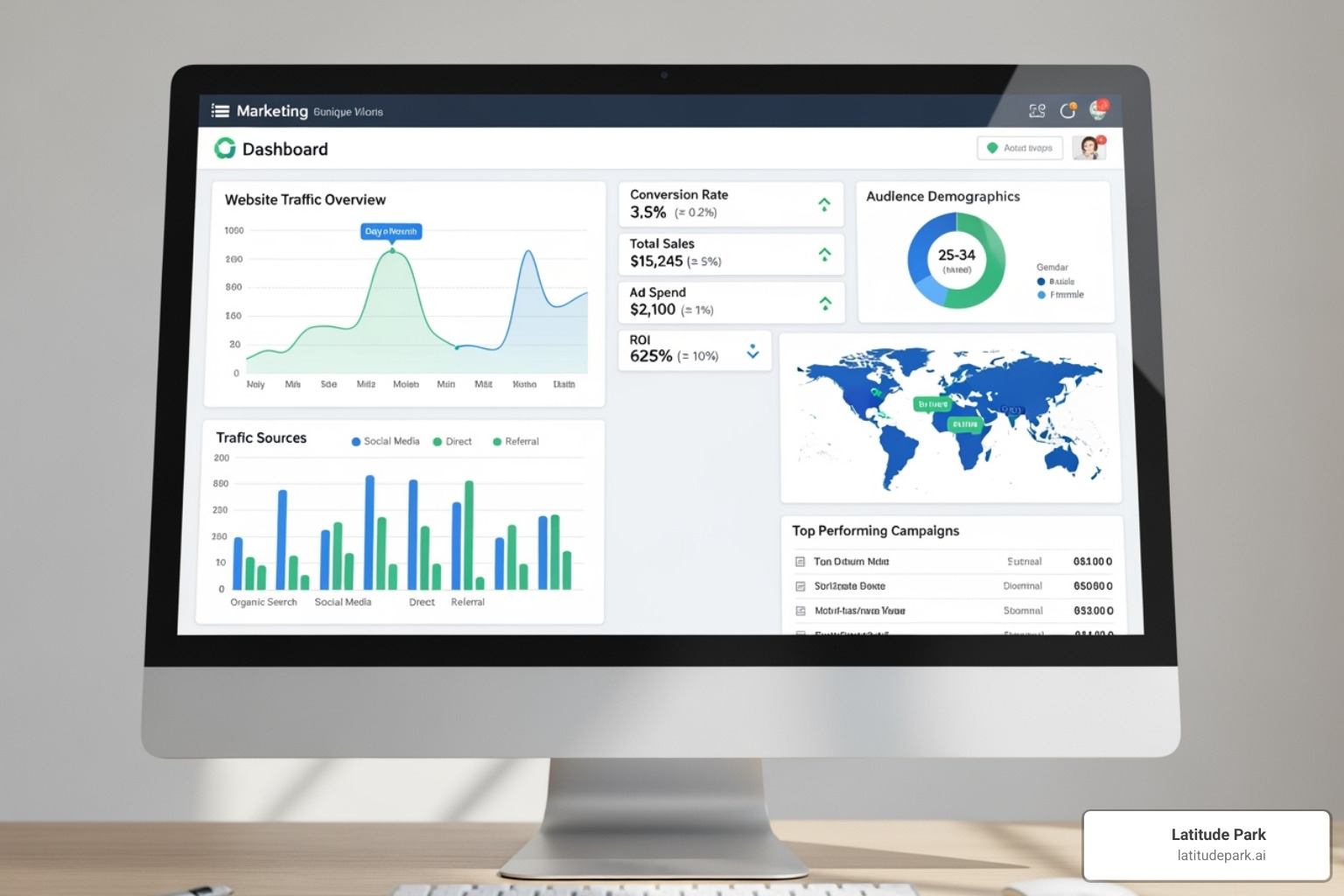
In the digital advertising space, data tells you exactly how campaigns are performing. Think of these metrics as the vital signs of your advertising health:
- Impressions & Clicks: Impressions are the number of times your ad was shown, while clicks indicate active interest.
- Click-Through Rate (CTR): Calculated as clicks divided by impressions, a high CTR suggests your ad is resonating with your target audience.
- Conversion Rate: This is the percentage of users who completed a desired action (like a purchase or form submission) after clicking your ad. It’s a crucial measure of campaign effectiveness.
- Cost Per Acquisition (CPA): This tells you how much you’re spending to acquire a single customer or lead, helping you gauge profitability.
- Return on Ad Spend (ROAS): The ultimate measure of success, ROAS calculates the total revenue generated for every dollar spent on advertising.
- Video Completion Rate (VCR): For video ads, this metric shows how many viewers watched your ad to the end, indicating engagement.
What are the costs associated with digital advertising space?
Unlike traditional media’s fixed price tags, costs in the digital advertising space are flexible and performance-based. You can adjust spending based on what the data tells you.
Common pricing models include:
- Cost-Per-Click (CPC): You pay only when someone clicks your ad. This is ideal for driving website traffic.
- Cost-Per-Mille (CPM): You pay for every thousand impressions (views). This model is best for brand awareness campaigns.
- Cost-Per-Action (CPA): You pay only when a user completes a specific action, like a sale. This is the most performance-driven model.
Behind these models is a real-time auction where advertisers bid for ad space. This process, known as Real-Time Bidding (RTB), is a core component of programmatic advertising—the automated buying and selling of ad inventory. Programmatic advertising has become incredibly efficient, with the total Digital Advertising Platforms Market projected to reach $1.37 trillion by 2032, reflecting its massive adoption and effectiveness.
The Future of Digital Advertising
The digital advertising space is in a constant state of evolution. Staying ahead of trends is crucial for sustained success. The shifts happening now are fundamentally changing how we create, target, and measure campaigns.

What are the future trends in digital advertising space?
Several key trends are reshaping the industry:
- Generative AI: AI is becoming a powerful creative assistant, helping to craft ad copy, design visuals, and optimize campaigns in real-time. Platforms like Google’s Performance Max already use AI to make thousands of micro-adjustments that a human could not.
- Privacy-First Advertising: The disappearance of third-party cookies marks a permanent shift toward privacy. The future lies in first-party data (information customers share directly), contextual targeting, and consent-based marketing.
- Retail Media Networks: Retailers like Amazon and Walmart have become major advertising platforms, leveraging their vast first-party data and offering advertisers the ability to reach shoppers at the point of purchase with closed-loop measurement.
- Connected TV (CTV) and Streaming: As viewers move from cable to streaming services, ad dollars are following. Platforms like Netflix and Hulu now offer ad-supported tiers, combining the impact of TV with the precision of digital targeting.
- The Creator Economy: Brands are moving beyond one-off posts to build long-term, authentic partnerships with creators, recognizing that their trusted voices resonate more deeply with audiences.
- Expansion of Programmatic Advertising: The automated buying and selling of ad space is expanding beyond display ads into CTV, audio, and even digital billboards, enabling hyper-targeted campaigns at scale. For more details, the latest digital ad revenue report from the IAB offers valuable insights.
What are the best practices for buying and managing digital ad space?
Success in the digital advertising space requires a disciplined approach. Here are the best practices that drive results:
- Start with Clear Goals: Know exactly what you want to achieve—brand awareness, lead generation, or direct sales. Your goal dictates your strategy.
- Deeply Understand Your Audience: Go beyond demographics to understand their pain points, online behaviors, and motivations.
- Test and Optimize Relentlessly: Continuously test different ad creatives, targeting options, and bidding strategies. Use data to refine your campaigns.
- Match Platforms to Your Objectives: Choose platforms where your audience is active. For franchise marketing, Meta’s local targeting is exceptional, while a B2B company might prefer LinkedIn.
- Monitor Performance Consistently: Regular check-ins are vital to catch underperforming ads and scale successful ones. The digital landscape moves too fast for monthly reviews.
- Stay Educated on Industry Changes: Keep up with new ad formats, privacy regulations, and platform updates to stay effective.
- Prioritize Strategic Placement: Balance ad visibility with cost, and ensure your ads appear in a contextually relevant environment.
- Be Authentic: Use real images and conversational copy. Authenticity cuts through the noise and builds genuine connections with your audience.
Conclusion
We’ve explored the dynamic world of digital advertising space, from its core concepts and formats to the strategies that drive success. The landscape is complex, but its potential is immense. It offers what traditional advertising never could: the ability to reach your ideal customer with precision and measure every result.
Digital ad revenues hit $259 billion in 2024 because businesses of all sizes are finding success. This success comes from a clear strategy, relentless testing, and adapting to industry shifts like generative AI, privacy-first advertising, and the growth of Connected TV and retail media networks.
For franchise businesses, the challenge is amplified by the need to coordinate campaigns across multiple locations while maintaining brand consistency. This is a balancing act that requires specialized expertise.
That’s what we provide at Latitude Park. We specialize in helping franchises master the complexities of digital advertising, particularly on Meta (Facebook) platforms where local targeting capabilities shine. We’ve solved the unique challenges of multi-location businesses hundreds of times with custom campaign structures designed for your specific franchise model and growth goals.
If you’re ready to turn the complexity of the digital advertising space into your most powerful growth engine, we’re here to help you chart a clear course to success.
Get expert help with your digital ads strategy