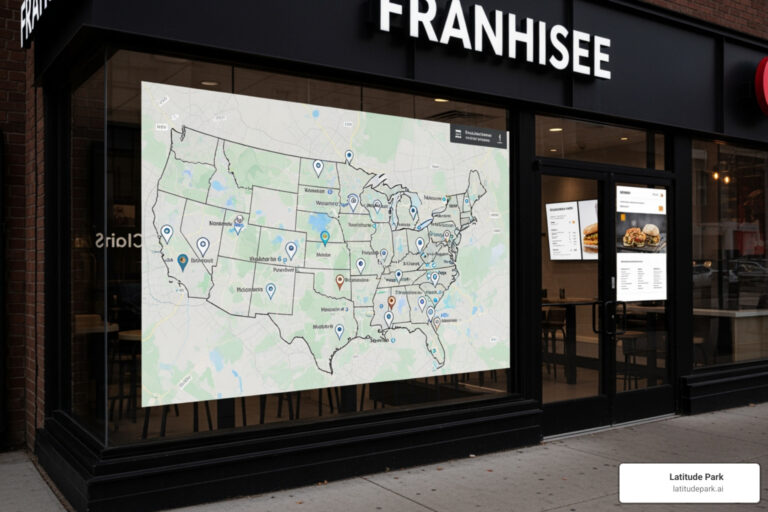
From National Brand to Neighborhood Staple
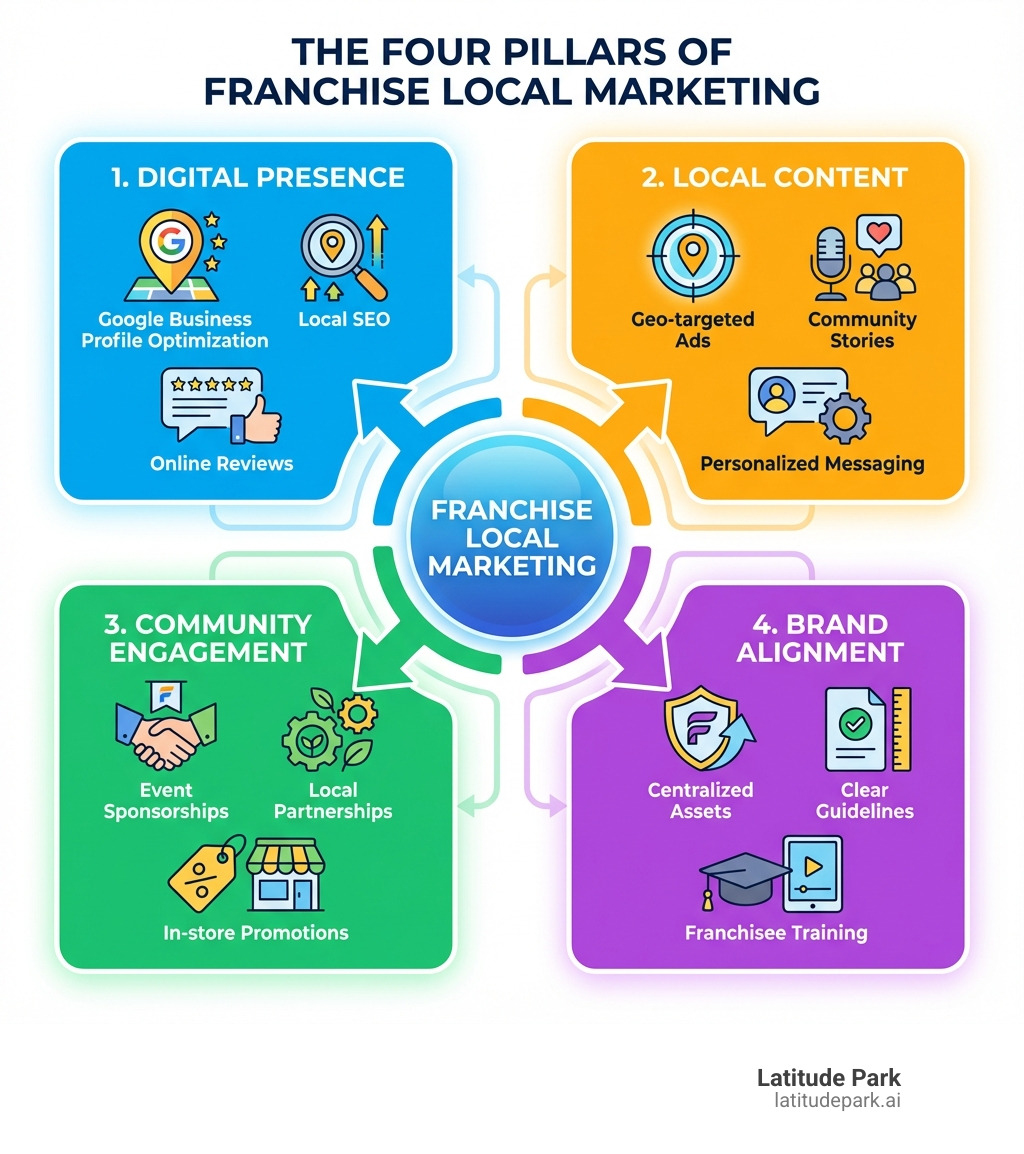
Franchise local marketing is the practice of tailoring your national brand’s marketing strategy to resonate with specific local communities where your franchise locations operate. Here’s what it involves:
- Local SEO optimization – Ensuring each location appears in local search results (a critical step, as 46% of all Google searches have local intent)
- Community engagement – Participating in local events, partnerships, and sponsorships
- Geo-targeted advertising – Reaching customers within specific geographic areas around each location
- Personalized messaging – Adapting brand content to reflect local culture, values, and preferences
- Online reputation management – Building and responding to reviews for each location
The reality is stark: 97% of consumers search online for local businesses, and 88% of those searches result in a call or visit within 24 hours. Yet many franchises struggle with a fundamental disconnect—new franchisees often believe marketing is “handled” by corporate, while franchisors provide templates without the strategic guidance needed to use them effectively.
This gap creates a critical problem. Franchise locations actively engaging in local marketing experienced 37% year-over-year growth ($308,000), while those without local efforts grew by just 11% ($59,000). The difference isn’t just in having a brand—it’s in becoming a trusted part of the neighborhood.
The challenge isn’t choosing between national consistency and local relevance. It’s about achieving both simultaneously. Your customers don’t want to feel like they’re walking into a faceless corporate location. They want the reliability of a known brand with the personal touch of a local business that understands their community.
I’m Rusty Rich, and over the past 15 years building Latitude Park, I’ve helped dozens of franchises solve the franchise local marketing puzzle by creating scalable digital advertising systems that maintain brand integrity while driving measurable results at the location level. This guide will show you exactly how to bridge the gap between corporate strategy and local execution.
What is Franchise Local Marketing and Why is it Non-Negotiable?
At its heart, franchise local marketing is the art and science of connecting a national brand with the unique pulse of a local community. It’s the collection of methods, tools, and channels we use to reach target markets within a specific geographical area, delivering custom-custom marketing messages that drive sales for that particular franchise location and, by extension, the entire parent company. Think of it as planting a national seed in local soil and nurturing it to grow into a neighborhood favorite.
Why is this approach non-negotiable for success? Because despite being part of a larger brand, each franchise location is fundamentally a local business. And local businesses need local recognition to thrive! Our customers crave authenticity and connection. They want to support businesses that understand their specific needs, celebrate their local events, and feel like a genuine part of their community.
This hyper-local targeting is crucial for several reasons:
- Customer Loyalty: When we speak directly to local customers’ needs and preferences, we build stronger relationships. This personalized approach turns casual visitors into loyal patrons who feel valued and understood.
- Brand Trust: For lesser-known brands, effective local marketing can rapidly build trust within a community. For established brands, it reinforces the perception that we are not just a faceless corporation, but a caring neighbor.
- Increased Sales: The numbers don’t lie. Franchises that actively engage in local marketing see significantly higher year-over-year growth. Localized efforts translate directly into increased foot traffic, calls, and online leads for individual locations.
- Differentiating from Corporate Competitors: In a crowded marketplace, local relevance is a powerful differentiator. While national competitors might have broad campaigns, our ability to tailor messages to specific neighborhoods gives us a distinct advantage.
However, we often encounter a significant challenge: the “franchisor-franchisee disconnect.” As industry experts like Marianne P Murphy, CFE, of FranchisePULSE point out, new franchisees often launch with enthusiasm, posting to social media and updating their Google profiles, believing marketing is “handled” by corporate. When the phone doesn’t ring as expected, frustration sets in. This stems from a fundamental misunderstanding of their role and the corporate office’s role in local marketing. Most franchisees are experts in running their business, not marketing specialists. They need more than just templates; they need strategic and tactical guidance custom to their market, as John W. Francis plainly states. This is where a strong partnership becomes essential.
The Franchisor-Franchisee Partnership: A Unified Front for Local Dominance

The success of franchise local marketing hinges on a delicate yet powerful partnership between franchisor and franchisee. It’s like a well-choreographed dance, where both partners know their steps and support each other to create a seamless performance. The goal is to achieve brand consistency across all locations while simultaneously allowing for the local autonomy needed to connect genuinely with diverse communities.
We understand that common challenges arise in this dynamic. Franchisors grapple with maintaining brand integrity and quality control across potentially hundreds of locations, while franchisees desire the flexibility to adapt to their unique local markets. Striking this balance is key to ensuring that our marketing efforts don’t cannibalize each other, but rather amplify our collective impact.
Defining Roles and Responsibilities
To avoid confusion and maximize effectiveness, we must clearly define who does what. The most effective approach involves a division of responsibilities where franchisors own the overall marketing assets and strategy, and franchisees handle the execution at the local level.
| Franchisor Responsibilities | Franchisee Responsibilities |
|---|---|
| National Brand Campaigns: Developing overarching brand messaging and national advertising initiatives. | Local Community Engagement: Building relationships with local customers, businesses, and organizations. |
| Providing Brand Assets: Creating and distributing approved logos, imagery, copy, and marketing templates. | Managing Local Social Media: Posting locally relevant content, engaging with followers, and running local promotions. |
| Technology Stack: Implementing and managing centralized marketing platforms and tools (e.g., brand portals, CRM). | Executing Local Promotions: Implementing specific offers and campaigns custom to local events or demographics. |
| Strategic Guidance: Offering training, coaching, and strategic advice on effective marketing practices. | Online Reputation Management: Actively soliciting and responding to local reviews and feedback. |
| Brand Compliance: Establishing clear guidelines and ensuring all local marketing adheres to brand standards. | Local Networking: Attending local events and building contacts to drive local business. |
| Owning Core Digital Profiles: Maintaining administrative control over Google Business Profiles and main social media pages. | Providing Local Insights: Sharing feedback on local market trends and customer preferences to inform broader strategies. |
This clear division ensures that the national brand’s integrity is protected, while local teams are empowered to act as authentic community members.
How Franchisors Can Empower Franchisee Success
Franchisees are on the front lines, running the day-to-day operations of their business. They often don’t have the time or specialized marketing knowledge to create sophisticated campaigns from scratch. This is where franchisors step in to provide invaluable support.
- Providing Strategic Guidance, Not Just Templates: As John W. Francis wisely notes, “Templates aren’t enough.” We need to provide strategic and tactical guidance custom to each franchisee’s stage and market. This means offering advice on how to use the assets, not just what assets are available.
- Offering Simple, Brand-Compliant Tools and Training: Franchisees want simple, brand-compliant digital tools and, crucially, actual training on how to use them. This includes access to easy-to-use platforms for customizing marketing materials, managing social media, and optimizing local listings. We must offer diversified and continuous training, fostering peer-to-peer learning and regularly updating modules to stay current with industry trends.
- Coaching for ROI, Not Just Visibility: Marketing isn’t just about being seen; it’s about driving results. Marketing is about “viability,” which means coaching for ROI. We should guide franchisees on how to analyze their campaign results, understand what’s working (and what isn’t), and iterate their strategies for better outcomes. This empowers them to connect their efforts directly to their bottom line.
- Vetting Franchisee Marketing Capabilities: Before a franchisee even opens their doors, we can set them up for success. We recommend asking targeted, marketing-related questions during the vetting process. This helps assess their understanding of local marketing, their willingness to adhere to brand guidelines, and their commitment to actively promoting their business within the community. It’s about ensuring they understand that local marketing is a shared responsibility, not an optional extra.
Maintaining Control While Granting Autonomy
The tension between maintaining centralized brand control and granting local autonomy is one of the most significant challenges in franchise local marketing. Our solution lies in leveraging technology and establishing clear, flexible frameworks.
- Centralized Digital Asset Management and Brand Portals: We use centralized platforms that act as a single source of truth for all marketing materials. These “brand portals” provide franchisees with access to pre-approved logos, images, copy, and customizable templates. This accelerates creative production, ensures brand compliance, and reduces the need for franchisees to spend time (and money) creating materials from scratch. They can customize content for local markets while staying firmly within brand guidelines.
- Establishing Clear Guidelines: Autonomy doesn’t mean a free-for-all. We establish comprehensive brand guidelines that cover visual identity, messaging, tone of voice, and approved marketing channels. These guidelines act as guardrails, allowing franchisees creative freedom within well-defined parameters. They understand what’s acceptable and what’s not, minimizing the risk of off-brand messaging.
- Franchisor Ownership of Core Digital Profiles: It is crucial that the parent franchise retains ultimate ownership and administrative control over all digital marketing properties. This includes Google Business Profile (GBP) listings, main social media pages, and other critical online assets for each location. This approach grants us greater visibility into performance data, prevents issues if a franchisee leaves (e.g., going “rogue” or blocking access), and ensures full lifecycle management of brand standards and messaging. We can then empower franchisees with varying levels of access and control within these platforms, allowing them to post local updates and respond to reviews, all while maintaining overall brand integrity.
The Blueprint for Effective Franchise Local Marketing
Now that we understand the crucial partnership, let’s dive into the actionable strategies that form the blueprint for effective franchise local marketing. This involves a powerful blend of digital tactics and authentic offline methods, all supported by real-world examples and rigorous measurement.
Mastering Your Digital Storefront: Local SEO and Online Presence
In today’s digital landscape, our physical locations truly begin online. Mastering our digital storefront is paramount, and it starts with a rock-solid local SEO strategy. 46% of all searches have a local intent, and 97% of consumers search online for local businesses. If we’re not easily found, we’re missing out.
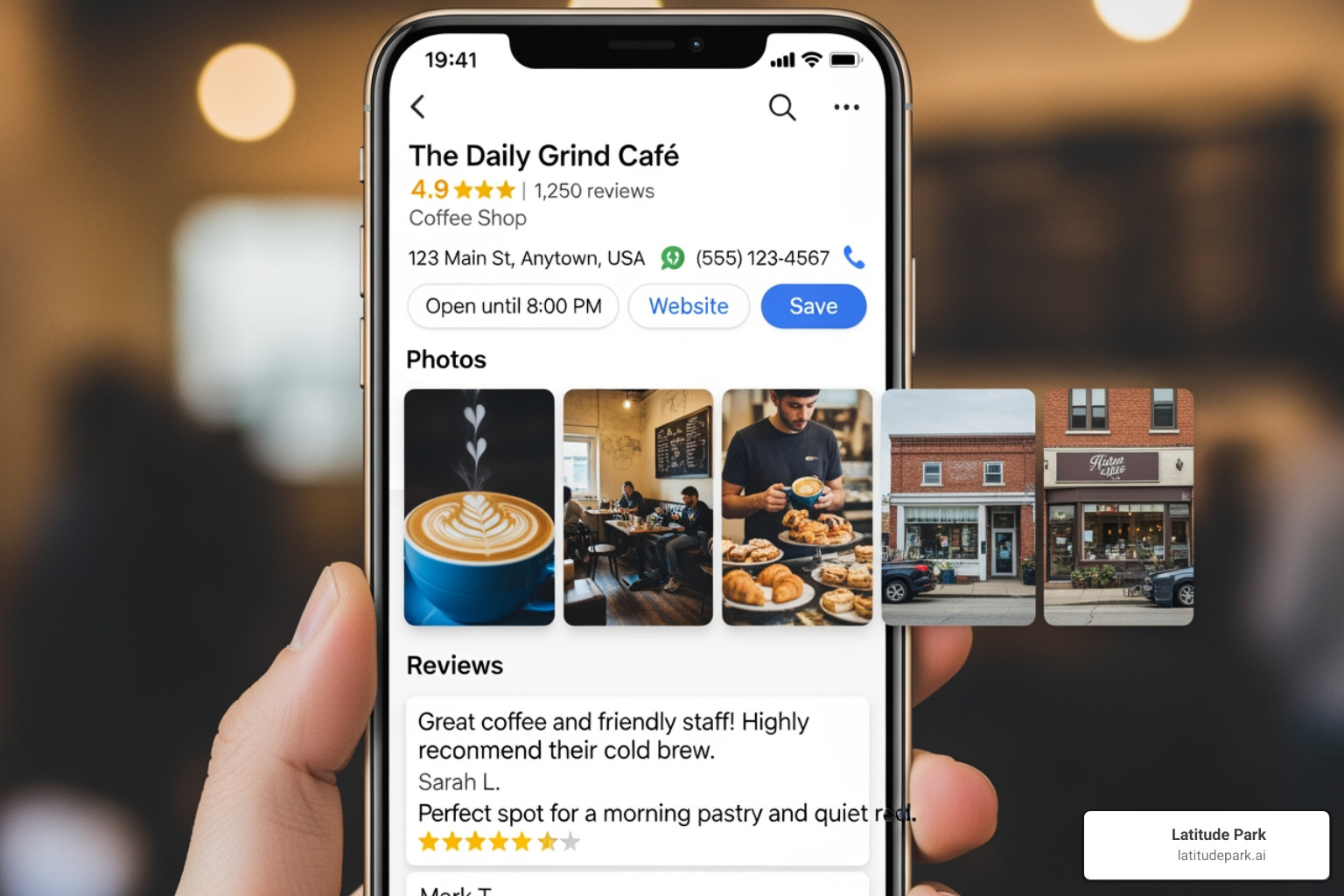
- Google Business Profile (GBP) Optimization: This is our absolute cornerstone. Each franchise location must have a fully optimized GBP. We ensure all information is accurate and up-to-date: address, phone number, operating hours, services offered, and high-quality photos. The results speak for themselves: in Q1 2024, franchise locations saw a remarkable 69% increase in GBP calls and a 302% rise in chat leads, demonstrating the direct impact of an optimized profile.
- Location-Specific Website Pages: Every franchise location should have its own dedicated web page on our main website. These pages feature unique, locally relevant content, such as local promotions, team member bios, and community involvement. This signals to search engines that each location is distinct and relevant to local searches.
- The Importance of Schema markup: To further help search engines understand our specific locations and services, we implement Schema markup. This structured data provides context to search engines, making it easier for them to display our business information accurately in local search results.
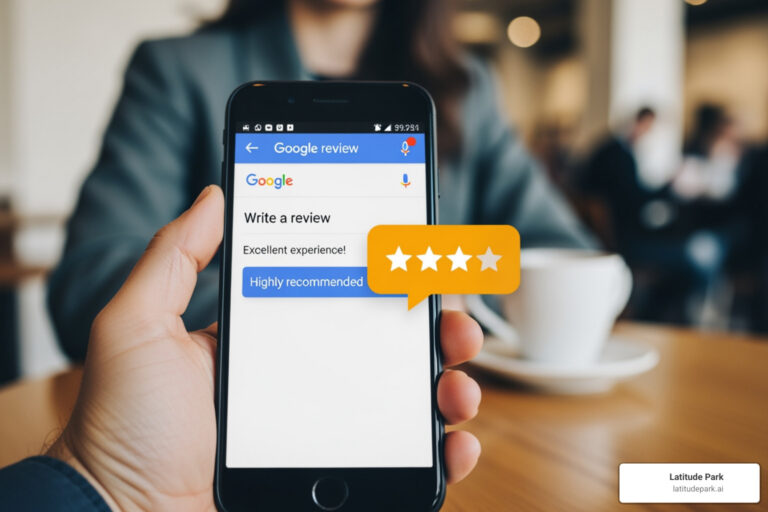
- Online Review Management: Customer reviews are gold for boosting our local reputation and improving local SEO. We actively encourage satisfied customers to leave positive reviews on GBP and other platforms. Equally important, we engage with all reviews—both positive and negative—responding promptly and professionally. This shows we value customer feedback and are committed to excellent service.
- Local Keyword Strategy: We incorporate location-specific keywords into our website content, meta descriptions, and title tags. This includes phrases like “coffee shop near me,” “best pizza in Houston,” or “fitness studio in Brooklyn.” This ensures that when local customers search for our services, we appear prominently.
Case Study: A multi-location franchise’s success with local SEO
Consider PuroClean, a damage restoration franchise with hundreds of locations. By carefully optimizing their Google Business Profiles and implementing a robust local SEO strategy, they achieved a significant boost in local search visibility across all their franchise websites. This led to increased inquiries and business for individual locations, proving the power of a focused digital storefront.
Building a Community: Hyper-Local Social Media and Content
Social media isn’t just for national brand announcements; it’s a powerful tool for building local community. With 76% of users reportedly buying a product based on a brand’s social media post, our local presence here can’t be understated.
- Geo-Targeted Advertising: We leverage platforms like Meta (Facebook and Instagram) for geo-targeted ads. These allow us to define specific geographic areas (cities, neighborhoods, zip codes) around each franchise and deliver highly relevant ad content. This could be a special offer for a local event or a timely promotion based on local weather.
- Personalized Messaging: Tailoring our ad content to reflect local preferences and promotions is key. For example, one study found that tailoring ads to local languages significantly outperformed their English counterparts, achieving 86% higher click-through and conversion rates. This highlights the power of speaking directly to our audience in a way that resonates culturally and linguistically.
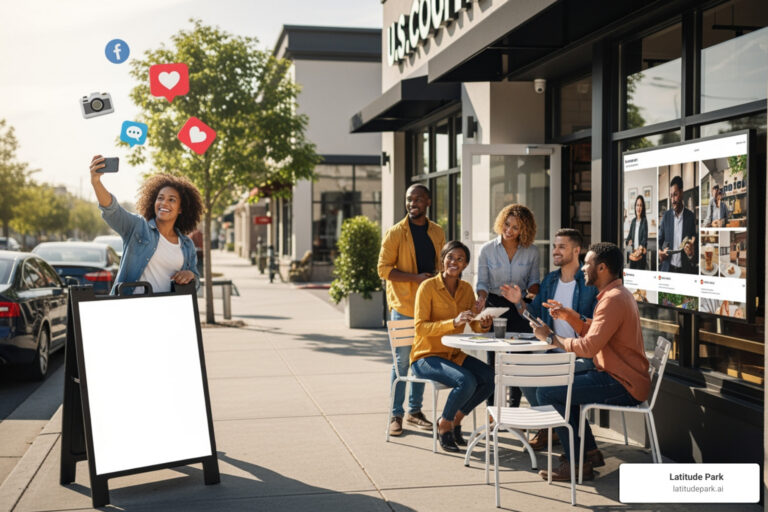
- Showcasing Local Staff and Customers: People connect with people. We encourage franchises to create content that highlights their local staff members, giving their location the positive feel of a local business. Similarly, showcasing local customers (with their permission, of course) or local pets (for pet-related franchises) builds authenticity and nurtures relationships. This is what makes a multi-million dollar company feel like a friendly neighborhood spot.
- Highlighting Local Clients: Sharing stories of how our franchise has served local clients or contributed to the community creates powerful, relatable content. This isn’t just about selling; it’s about demonstrating our commitment to the community.
- Avoiding Social Media Missteps: While engaging with trends is good, we must always exercise caution. The infamous DiGiorno incident, where they misused a sensitive hashtag, serves as a stark reminder. We ensure our franchisees are trained to research current news and trends carefully before posting, maintaining brand safety and avoiding public relations nightmares. We also keep an eye on emerging platforms like TikTok, as Google has even started showing TikToks in featured snippets, indicating their growing local search relevance.
Beyond the Screen: Community Involvement and Partnerships
While digital strategies are crucial, true local integration happens face-to-face. Engaging with the community offline builds goodwill, strengthens our brand’s local identity, and creates lasting relationships.
- Local Event Sponsorships: We encourage franchises to sponsor local events, such as charity runs, school functions, or community festivals. This provides visibility, demonstrates community support, and generates positive brand associations. Just imagine a fast-food franchise sponsoring a local youth sports team – their name is everywhere, and they’re seen as an active contributor to the community.
- In-Store Promotions and Events: Hosting grand openings, customer appreciation days, or local tasting events at our franchise locations generates excitement and foot traffic. These events can be promoted both digitally and through local print media, creating a powerful synergy.
- Strategic Networking to Turn Contacts into Contracts: Franchisees should be encouraged to participate actively in local business associations and Chambers of Commerce. While Toni Harris Taylor notes that some franchisees attend networking events without a strategy, we equip ours with guidance on how to turn these contacts into meaningful business relationships, fostering collaborations and referrals.
- Partnering with Local Charities and Sports Teams: Aligning with local causes and supporting local sports teams builds deep community ties. This isn’t just about advertising; it’s about being a responsible and caring neighbor. Offering special menu items for local teams or running fundraisers for community initiatives are excellent ways to integrate.
- Building Genuine Community Ties: Our goal is to become an indispensable part of the local fabric. This means understanding community values, identifying outreach opportunities, and consistently showing up in ways that genuinely benefit the neighborhood.
Tools, Technology, and Measuring What Matters
In franchise local marketing, it’s not enough to just implement strategies; we must also measure their impact. This requires the right tools, a keen eye for data, and a clear understanding of what success looks like. The evidence is compelling: franchise locations actively engaging in local marketing experienced 37% year-over-year growth, translating to $308,000, while those without local marketing efforts grew by just 11%, equating to $59,000. This stark contrast underscores the importance of a data-driven approach.
Key Components of a Successful Franchise Local Marketing Strategy
To execute and manage local marketing campaigns effectively, we rely on a robust marketing technology stack. Here are the essential tools we recommend:
- Local SEO Management Platforms: These tools help monitor and manage Google Business Profiles, track local rankings, and ensure consistent business information across all online directories.
- Review Management Software: This software allows us to aggregate reviews from multiple sites, encourage new reviews, and respond to feedback efficiently, protecting our local reputation.
- Social Media Scheduling and Management Tools: These allow franchisees to schedule local posts, manage multiple local social media profiles, and engage with their community efficiently while maintaining brand consistency.
- Centralized Marketing Portal: A brand portal (sometimes called a Marcom Portal or through-channel automation platform) is invaluable. It provides franchisees with access to pre-approved, customizable marketing assets and templates, ensuring brand compliance while empowering local teams to create custom campaigns. Latitude Park, with its focus on Meta advertising, integrates seamlessly with such portals to deliver targeted ad campaigns for each location.
Tracking Success and Proving ROI
Measuring the success and ROI of our local marketing initiatives is non-negotiable. We need to know what’s working so we can optimize our efforts and demonstrate value.
- Website Traffic: We track website traffic using tools like Google Analytics, paying close attention to location-specific page views, bounce rates, and user behavior to understand local customer interest.
- Conversion Rates: This includes tracking inquiries, online orders, appointment bookings, and other desired actions on our local web pages.
- Phone Calls and Form Fills from GBP: We monitor the increase in direct calls and lead form submissions originating from our Google Business Profiles, which, as we’ve seen, can be substantial (e.g., 69% increase in GBP calls, 302% rise in chat leads in Q1 2024 for some franchises).
- Foot Traffic Attribution: For brick-and-mortar locations, understanding how digital marketing drives physical visits is crucial. While challenging, tools and partnerships can help attribute store visits to online campaigns.
- Customer Lifetime Value (CLV): By tracking customer loyalty and repeat business generated through local marketing, we can assess the long-term value of our local customer base.
- Cost Per Acquisition (CPA): We analyze the cost-effectiveness of different local marketing channels by calculating how much it costs to acquire a new customer through each initiative.
- Social Media Engagement Rates: We monitor likes, shares, comments, and follower growth on local social media pages to gauge community interest and interaction.
By consistently tracking these Key Performance Indicators (KPIs), we can make data-driven decisions, optimize our strategies, and prove the tangible return on investment from our franchise local marketing efforts.
Frequently Asked Questions about Franchise Local Marketing
How do we maintain brand consistency across dozens or hundreds of locations?
Maintaining brand consistency across numerous locations is a core challenge, but it’s entirely achievable with the right strategy and tools. We achieve this by using a centralized brand portal. This portal houses all pre-approved, customizable templates for everything from social media posts and email campaigns to in-store signage. Franchisees can easily adapt these materials for their local market while ensuring logos, colors, and core messaging remain consistent. Alongside this, we provide clear, comprehensive brand guidelines and offer ongoing training to franchisees on brand voice, visual identity, and acceptable customization. This empowers them to localize messages creatively without ever diluting the core brand’s integrity.
What is a realistic local marketing budget for a new franchisee?
While national marketing funds often involve a contribution of 1-4% of gross sales, local marketing requires a separate, dedicated investment. For a new franchisee, we typically recommend planning to spend an additional 2-5% of their projected gross sales specifically on local marketing initiatives. This is especially crucial during the initial 6-12 month launch phase. This budget allows for essential activities like optimizing their Google Business Profile, running targeted local ads (like those we manage through Meta), engaging on local social media, and participating in community events to build initial awareness and momentum. As the business grows, this percentage can be adjusted based on performance and market conditions.
How can a service-area franchise (like plumbing or restoration) use local marketing?
Service-area businesses (SABs) have unique local marketing needs, as they often don’t have a physical storefront for customers to visit. For them, local SEO is paramount. We focus heavily on ensuring their Google Business Profile accurately reflects their service area, rather than a physical address, and optimize it with clear service categories. Key strategies include:
- Generating Positive Reviews: Encouraging customers to leave detailed reviews highlighting the quality of service.
- Localized Content: Creating blog posts or website content about problems specific to the local area (e.g., “common plumbing issues in Phoenix” or “emergency water damage repair in Phoenix”).
- Geo-Targeted Ads: Running highly targeted Meta ads that appear when users in their service zone search for emergency services or specific solutions. This ensures they are visible exactly when a local customer needs them most.
These tactics help SABs establish themselves as the go-to local experts in their field.
Conclusion: Turn Your Franchise into a Local Legend
The journey to franchise local marketing success is a dynamic one, requiring a strategic blend of national brand consistency and granular local relevance. We’ve seen that the most thriving franchises accept a powerful partnership between franchisor and franchisee, defining clear roles and empowering local teams with the right tools and training.
Our blueprint for local dominance combines the digital prowess of local SEO and hyper-local social media with the authentic connections forged through community involvement and partnerships. Crucially, every step is backed by meticulous measurement, ensuring that our efforts translate into tangible ROI and sustained growth.
The ultimate goal isn’t just to be another location of a national chain; it’s to become a trusted, beloved neighborhood name. It’s about making every customer feel like they’re walking into a local gem that truly understands and serves their community.
At Latitude Park, we specialize in helping franchises achieve this local connection through precisely targeted Meta advertising campaigns. We understand the nuances of balancing brand integrity with local customization, delivering scalable digital advertising systems that drive measurable results at the location level. To build your neighborhood advantage and implement these effective strategies, it’s time to invest in a localized plan that truly resonates with your community.