Why Precision Targeting on X (Twitter) Matters
Twitter ads target audience capabilities have become essential for franchise marketing managers looking to scale their digital advertising efforts across multiple locations. With 368 million active users driving real-time conversations worldwide, X (formerly Twitter) offers unique opportunities to reach highly engaged audiences when they’re most receptive to your message.
Quick Answer: Twitter Ad Targeting Options
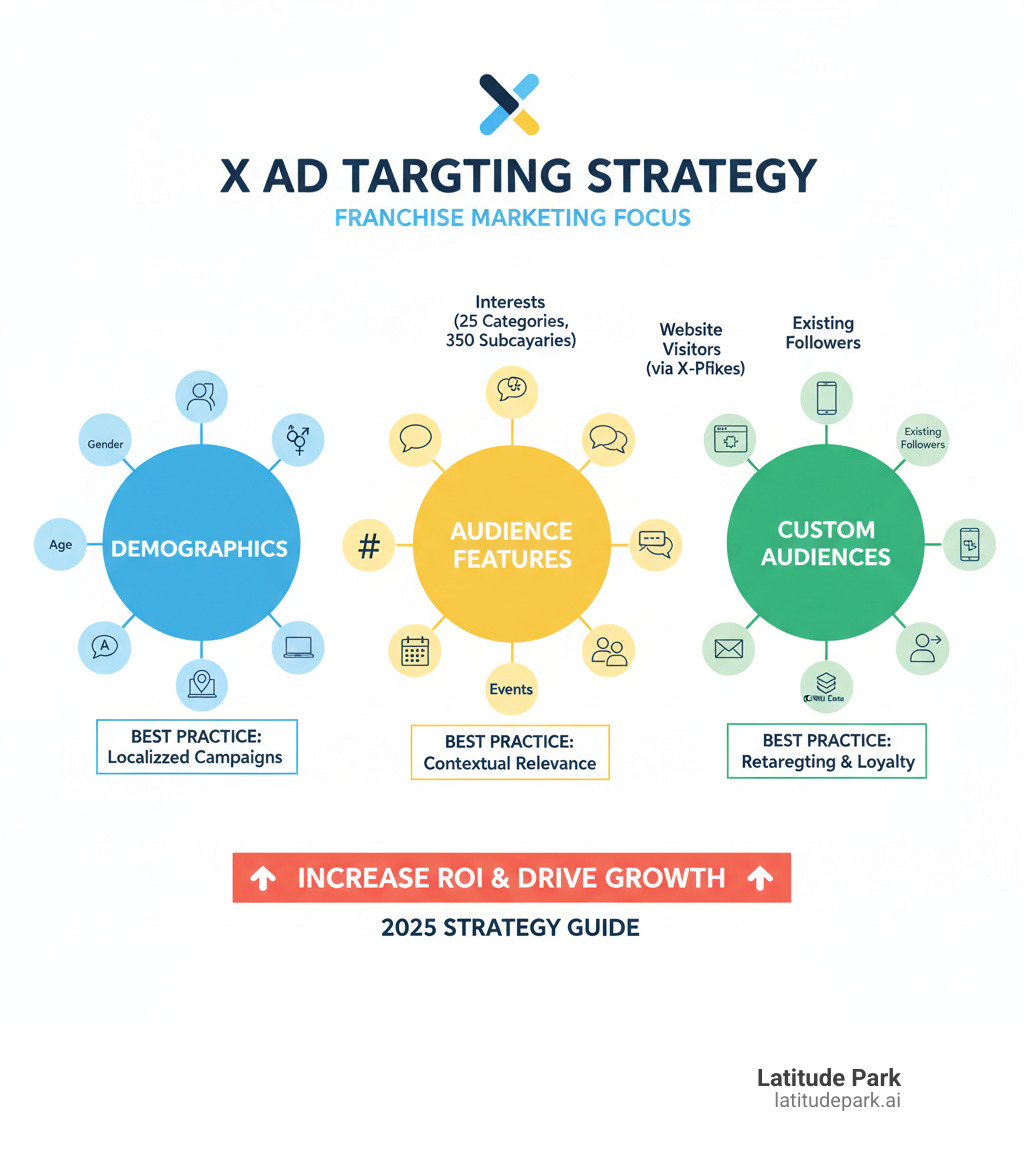
- Demographics: Age, gender, location, language, device
- Audience Features: Interests (350+ categories), keywords, conversations, follower look-alikes
- Custom Audiences: Website visitors, app users, email lists, existing followers
The platform’s advertising effectiveness speaks for itself. Users spend 26% longer viewing ads compared to other social media platforms, and brands leveraging Twitter’s engagement strategies often experience a 40% greater return on investment compared to other social channels.
For franchise marketers, this translates to significant opportunities. The challenge isn’t whether Twitter can drive results – it’s knowing how to target the right people at the right time across your various locations while maintaining consistent brand messaging.
Twitter’s demographic makeup skews toward educated professionals, with 82% of B2B content marketers utilizing the platform. The largest user segment consists of 25-34 year olds (38.5%), primarily in urban and suburban areas – exactly the demographic many franchise businesses want to reach.
As Rusty Rich, President and founder of Latitude Park, I’ve helped numerous franchise businesses steer the complexities of Twitter ads target audience strategies, developing scalable campaigns that drive growth across multiple locations while maintaining brand consistency. My 15+ years in digital advertising have shown me that success comes from understanding both the platform’s capabilities and your audience’s unique needs.
Understanding the Modern Twitter User: A Demographic Snapshot
Understanding your Twitter ads target audience is the first step. With 368 million active users, Twitter is a busy digital space where real-time conversations happen.
Twitter users are typically young, digitally savvy, and financially stable professionals. The largest segment, adults aged 25 to 34, makes up 38.5% of the user base, with nearly 60% of all users falling between 25 and 49—their prime earning years.
Globally, 60.9% of users are male, but the gender split is more even in the U.S., where women often show higher engagement rates despite being a slightly smaller group.
Location matters tremendously for franchise businesses, as Twitter users cluster in urban and suburban areas where most franchises thrive. The largest audiences are in the US, Japan, India, Brazil, and Indonesia. You can dive deeper into these patterns with this 2022 data analysis on Twitter stats to refine your targeting.
Twitter’s audience is educated and affluent: 42% of users hold college degrees, and many have high incomes. This explains why 82% of B2B content marketers use the platform, targeting users with research skills and purchasing power.
Language diversity also offers global opportunities. English is dominant (31.8% of tweets), followed by Japanese (18.8%) and Spanish (8.46%). Understanding this helps you craft campaigns that connect.
For your franchise, this means access to informed, engaged users with real purchasing power who research before they buy. For more insights, see our guide on Social Media Ads.
Leveraging Demographic Data for Your Twitter Ads Target Audience
Twitter’s demographic tools offer precision for finding your ideal Twitter ads target audience. The key is knowing how to use each option.
Age targeting uses profile data and behavioral signals to let you focus on key segments like the powerful 25-34 year old group. For best results, layer age targeting with other criteria like interests.
Gender targeting boasts over 90% accuracy. Since US audiences are nearly split, consider running separate campaigns for different genders to test messaging.
Location targeting is a franchise marketer’s best friend. You can target by country, region, or postal code. In the US and Japan, you can even draw a radius from 1 to 50 miles around specific addresses (contact your account manager for setup). Twitter uses real-time IP addresses, GPS signals, and recent location history to reach people where they are.
Language targeting supports 46 languages, allowing you to speak to users in their preferred tongue. This is ideal for multilingual markets.
Device targeting lets you segment by OS, device type, Wi-Fi, or even target users with new devices. Since 90% of video views are on mobile, ensure your content is optimized for small screens.
Demographic options are “AND” filters, meaning users must meet all criteria. Be careful not to narrow your audience too much; find the balance between precision and reach.
A Deep Dive into Your Twitter Ads Target Audience Options
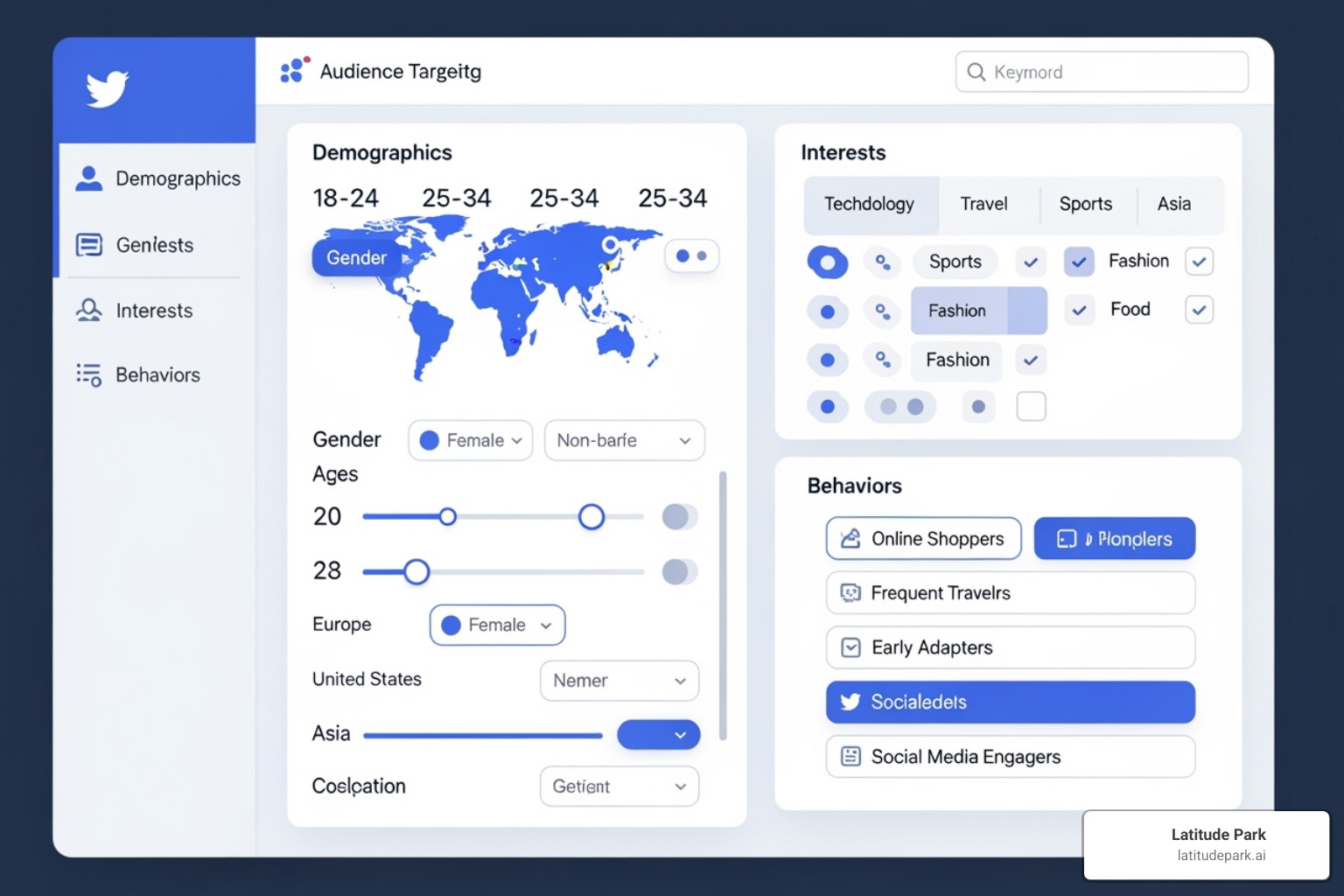
Beyond demographics, Twitter’s sophisticated options are the key to Twitter ads target audience success. These tools let you layer criteria for precision targeting, helping you reach the right people at the right moment.
During campaign setup, you can combine criteria for specific audiences or keep them broad for maximum reach. The goal is to find combinations that connect with receptive users.
Audience Feature Targeting: Connecting with Active Conversations
Twitter’s audience features connect you with users based on what they’re actively discussing and searching for right now.
Interest targeting is the foundation of many campaigns. Twitter has 25 main categories and 350 sub-topics. Instead of targeting a broad category like “Food and Drink,” split-test specific sub-categories like “Coffee” or “Healthy Eating” to see what resonates with your franchise concept.
Keyword targeting reaches users based on recent tweets, searches, and engagement. This captures powerful real-time intent. If someone tweets about needing coffee or searches for “lunch near me,” you can connect with them instantly.
Emoji targeting, a subset of keyword targeting, is also effective. A user tweeting a �� emoji is likely thinking about pizza. The Full Unicode emoji list can provide inspiration.
Conversation and event targeting lets you engage with users discussing live events, from the Super Bowl to industry conferences. This is perfect for timely campaigns.
Follower look-alikes targeting is an underused gem that finds users with similar interests to followers of specific accounts. You can tap into audiences of industry leaders, complementary businesses, or competitors. Aim for around 30 relevant usernames per campaign, with a combined reach of at least 50,000 followers, to ensure a sufficient yet relevant audience size.
Custom & Retargeting Audiences: Engaging Your Warmest Leads
Your most valuable Twitter ads target audience may be people who already know your brand. Custom audiences turn your customer data and website traffic into powerful ad tools.
Custom audiences from your own data, like CRM or email lists, often deliver the strongest results. You can target existing customers, nurture unconverted leads, or exclude current customers from acquisition ads to optimize your budget.
The 3,000-account minimum for list-based audiences ensures sufficient reach. Franchises can combine lists from multiple locations to meet this threshold.
Website activity targeting via the X Pixel enables sophisticated retargeting. You can re-engage visitors who have landed on your site, viewed specific pages, or abandoned a purchase. These are some of your warmest leads.
App activity audiences function similarly for franchises with mobile apps, letting you target users based on in-app behaviors.
The real power is in combining audience types. For example, target website visitors who viewed a specific page but exclude those who already converted. This precision makes every ad dollar work harder.
Follower targeting lets you reach your own followers directly—an engaged audience that many businesses overlook.
These strategies are valuable for franchise growth, helping nurture relationships and convert prospects. For more on managing these strategies across locations, see our guide on Digital Advertising for Multi-Location Businesses.
From Setup to Success: Activating and Optimizing Your Campaigns
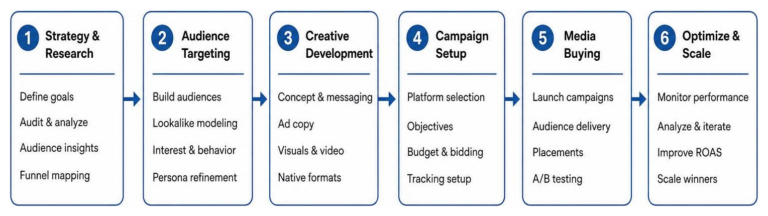
With an understanding of your Twitter ads target audience and targeting options, it’s time for action. Success requires choosing the right objectives and ad formats, then continuously optimizing.
Twitter offers objectives for each stage of the customer journey: awareness (reach), consideration (video views, app installs, website clicks, engagement), and conversion (sales, inquiries). There’s also a followers objective to grow your community.
This choice is critical because Twitter optimizes delivery based on your objective. Choosing ‘awareness’ when you want sales means the algorithm will prioritize views over purchases.
Twitter’s ad formats offer flexibility. Promoted Tweets are standard ads that appear naturally in user timelines. Promoted Accounts help grow your follower base by appearing in the “Who to Follow” section. Promoted Trends place your hashtag in the trending section for massive visibility, though it’s a premium option.
Using three or more ad formats can lead to 20% higher campaign awareness and 7% better purchase intent, as different formats resonate with different users throughout the marketing funnel.
| Campaign Objective | Recommended Ad Formats | Key Targeting Strategies |
|---|---|---|
| Awareness | Promoted Tweets, Promoted Trends, Video Views | Broad demographics, interest categories, follower look-alikes |
| Video Views | Promoted Tweets (with video) | Device targeting (mobile), interest categories (e.g., entertainment), conversation targeting |
| App Installs | Promoted Tweets (with App Card) | Device targeting (OS, new device), custom audiences (app uninstalls), interest categories (e.g., gaming) |
| Website Clicks | Promoted Tweets (with Website Card) | Keyword targeting, custom audiences (website visitors), interest targeting (specific sub-categories) |
| Engagements | Promoted Tweets (text, image, video) | Follower targeting, conversation targeting, interest targeting (highly engaged users) |
| Conversions | Promoted Tweets (with Website Card, leading to landing page) | Custom audiences (cart abandoners, specific product page visitors), keyword targeting (high intent), look-alikes of converters |
| Followers | Promoted Accounts, Promoted Tweets (encouraging follow) | Follower look-alikes, interest targeting (related to industry influencers) |
Crafting Compelling Ads and Measuring Success
Even with perfect targeting, your ads must capture attention instantly in Twitter’s feed.
Clear, compelling copy is essential. Your call-to-action must be unmistakable, like “Visit Our New Location” or “Schedule Your Free Consultation.” Understanding the Psychology of Ad Copy can dramatically improve performance.
High-quality visuals stop the scroll. Since 90% of promoted video views happen on mobile, ensure your images and videos are optimized for small screens. Short, engaging videos often outperform static images.
Social proof like customer testimonials or user-generated content builds trust and persuades potential customers.
A/B testing turns guesswork into data. Test different headlines, images, CTAs, and targeting combinations to see what resonates with your specific Twitter ads target audience.
Use Twitter’s analytics dashboard to track impressions, clicks, engagement rate, cost-per-click, and, most importantly, conversions. Create a cycle of testing, measuring, and optimizing. Launch, gather data for a week, analyze what works, and make informed adjustments.
Advanced Strategies for Your Twitter Ads Target Audience
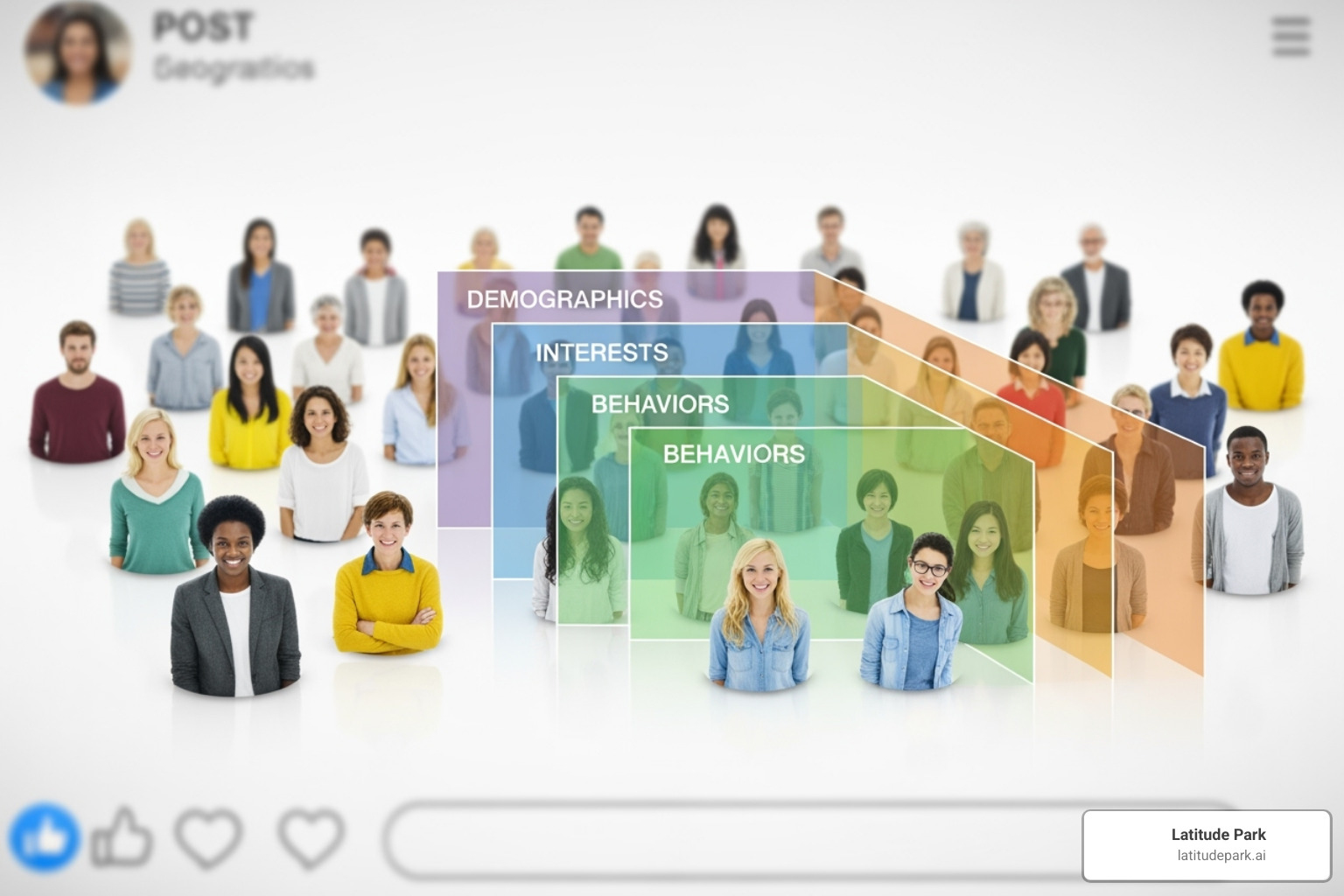
Advanced strategies amplify results. Combining targeting types creates refined audiences. For example, target people within 10 miles of a location who are interested in your industry and have recently visited your website.
Exclusion targeting is just as powerful. Exclude existing customers from acquisition campaigns or recent converters to avoid oversaturation and focus your budget.
Ad scheduling lets you run ads during peak hours when your Twitter ads target audience is most active, improving engagement and reducing costs.
Engaging with ad responders by replying to comments and likes turns advertising into relationship building and shows there are real people behind your brand.
Third-party analytics tools can offer deeper insights into competitor audiences, cross-platform attribution, and conversation patterns to inform your strategy.
Navigating Potential Challenges
Be aware of potential challenges in Twitter advertising.
Bot activity can inflate metrics. Monitor for unusual patterns, like high clicks with low website engagement, which may indicate bots.
For brand safety, monitor ad placements to avoid appearing next to controversial content. Appropriate targeting helps minimize this risk.
Low attention spans demand immediately engaging content. Your ad must capture attention in the first second, making creative quality critical.
Managing ROI expectations is crucial. Twitter excels at brand awareness, but conversion rates may differ from search ads. Set realistic goals aligned with your objectives.
Frequently Asked Questions about Twitter Ad Targeting
Here are answers to common questions about Twitter ads target audience targeting.
How specific can I get with location targeting on Twitter?
Twitter’s location targeting is very granular. You can target by country, region, metro area, city, and postal codes, which is ideal for franchise locations.
For accounts in the US and Japan, radius targeting around a specific address is available via an account manager, allowing you to draw a circle around a franchise and target users within it.
Granularity varies by country. Twitter’s geo-targeting uses IP addresses, GPS signals, and recent location history to reach people who are actually in a specific area.
What’s the difference between interest and keyword targeting?
The distinction between these two is simple but powerful for your Twitter ads target audience strategy.
Interest targeting reaches users based on their long-term profile interests and behaviors (e.g., someone consistently interested in cooking).
Keyword targeting is immediate and action-based, reaching users based on recent tweets, searches, or engagement with specific words or hashtags (e.g., someone who just tweeted “#recipe”).
Interest targeting is about who they are, while keyword targeting is about what they’re talking about right now. This allows you to target both long-term enthusiasts and those with immediate intent.
Can I exclude my existing customers from seeing my ads?
Yes. You can upload a customer list from your CRM as a Custom Audience and then exclude it from your campaign’s targeting.
This strategy helps you focus ad spend on new customer acquisition, avoid annoying existing customers, and optimize your budget by not targeting those who have already converted.
Your list needs at least 3,000 accounts to be effective. This feature can significantly reduce cost per acquisition and improve the experience for your current customers.
Conclusion: Open uping Growth with a Refined Audience Strategy
Mastering your Twitter ads target audience is a journey of testing and continuous improvement. As we’ve explored, Twitter’s 368 million active users offer incredible opportunities for franchises that dig deeper than surface-level targeting.
The real magic of Twitter advertising is its layered approach. Combine targeting methods strategically—for example, target 25-34 year olds in your territory who are interested in your industry and have recently visited your website. This is precision marketing.
Testing remains your best friend. What works for one franchise location may not work for another. The 26% longer ad viewing time on Twitter gives you a captive audience, but your message must resonate with the right people at the right time.
Continuous optimization is what separates successful campaigns from mediocre ones. Stay agile and responsive to shifting trends and conversations to outperform static campaigns.
Crucially, combining targeting methods amplifies results. Layer demographics with interests, add custom audiences from website visitors, and exclude existing customers to maximize ad spend efficiency.
At Latitude Park, we’ve seen how the right Twitter ads target audience strategy can transform a franchise’s growth. We specialize in creating data-driven digital advertising campaigns that connect with the right audience to fuel growth for multi-location businesses. Our franchise marketing experience means we understand the unique challenges of balancing brand consistency with local market adaptation.
While the platform’s complexity can seem daunting, it creates an opportunity. With this knowledge, you can dive deeper than competitors and reach audiences they’re missing.
Ready to transform your Twitter advertising from scattered shots to surgical strikes? Get expert help with your Twitter Ads strategy and let’s open up the growth potential that’s waiting in those 368 million active users.