Effective Online Reputation Management: Proven Tips to Protect Your Brand
Core Pillars of Effective Online Reputation Management
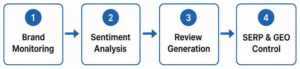
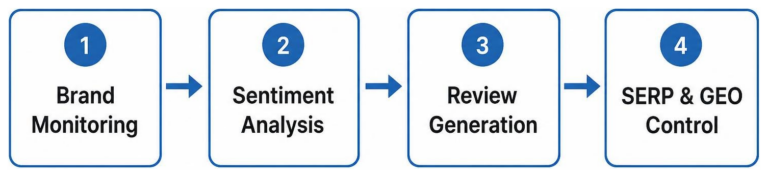
A robust strategy for effective online reputation management rests upon continuous brand monitoring, detailed sentiment tracking, and active analysis of customer feedback. Strong search performance also depends on demonstrating clear E-E-A-T signals (Experience, Expertise, Authoritativeness, and Trustworthiness) alongside Generative Engine Optimization (GEO) techniques that shape how artificial intelligence systems synthesize brand narratives. For more insights, explore our guide on effective strategies for building and managing brand online reputation.
To remain competitive, businesses must move beyond basic reactive crisis management. Today, an astounding 97% of consumers report that online reviews directly influence their purchasing decisions. Modern buyers gather extensive information long before contacting a company, with as many as 98% reading reviews before opting to purchase. Managing this process requires structured operational pillars:
- Multi-Channel Monitoring: Continuously tracking brand mentions, reviews, and customer sentiment across search engines, review hubs, and social media.
- Proactive Review Generation: Requesting feedback systematically from satisfied customers to maintain a balanced, high-rating profile and boost consumer trust.
- SEO and Entity Authority: Optimizing digital profiles, schema markup, and authoritative content to guide how AI engines and search results reflect brand reputation.
- Response Workflows & Crisis Control: Establishing standardized, fast-turnaround response templates and protocols to resolve complaints and mitigate public relations risks.
When organizations treat reputation as a core business driver, they protect their market share. Research demonstrates that 32% of shoppers walk away from a brand after just one bad experience, making continuous brand care a top priority across all physical and digital channels.
Multi-Channel Sentiment Monitoring
Managing a multi-location enterprise or growing franchise requires systematic social listening across diverse platforms. Organizations must actively monitor brand mentions across review platforms, search engine results pages, and forum discussions to identify emerging trends or potential compliance issues early. Learn how to track feedback effectively with our comprehensive guide to brand monitoring.
Consumers discuss brands constantly across social platforms, review sites, and online communities. Monitoring should span:
- Search Engine Result Pages (SERPs): Tracking branded keywords, “brand + reviews” searches, and local pack listings.
- Third-Party Review Hubs: Keeping tabs on Google Business Profiles, Facebook, Yelp, and industry-specific sites.
- Social & Community Forums: Tracking mentions on platforms like Reddit, LinkedIn, X, TikTok, and Instagram.
Using automated sentiment analysis tools helps categorize incoming mentions into positive, neutral, or negative categories. Detecting a negative spike early allows local teams to address operational bottlenecks before they turn into broader PR challenges.
Generative AI and Search Engine Optimization
As search engine result pages increasingly incorporate AI Overviews and answer engines like ChatGPT, Gemini, and Perplexity, controlling entity authority is critical. Managing brand narratives requires alignment between retrieval-augmented generation (RAG) sources and verified corporate data to ensure automated search features convey accurate brand information.
AI models do not simply display links; they summarize web sentiment by pulling data from Wikipedia, news features, Reddit threads, and review aggregators. If negative discussions dominate authoritative secondary sources, AI platforms will incorporate that criticism directly into generated summaries. Maintaining entity consistency across all digital bios, schema markups, and business directories ensures AI platforms construct trust-positive narratives around your business.
For external operational frameworks on managing search engine brand perception, review the Online Reputation Management Guide 2026 and explore SEO Reputation Management in 2026: A Practical Playbook.
Strategic Review Generation and Social Media Engagement
Proactive review generation helps build ongoing customer trust while maintaining full compliance with FTC guidelines regarding authentic customer reviews. Engaging authentically on social media channels boosts customer retention and establishes clear communication channels between brands and their communities.

Proactive tactics are essential because unprompted feedback often skews negative. Satisfied customers rarely leave reviews unless invited to do so, whereas unhappy buyers naturally look for an outlet. Asking every customer for feedback balances your rating profile and reflects the true quality of your service.
Designing Effective Online Reputation Management Workflows
Establishing swift response times and structured review templates ensures consistent customer care across all business locations. Multi-location franchises benefit immensely from local review management and Google Business Profile optimization. Read our Ultimate Review Management Guide and our resource on how to optimize Google Business Profile to refine operational workflows.
Timing matters greatly to modern consumers:
- 19% of consumers expect a same-day response to their review.
- 32% expect a response by the following day.
- 81% expect a response within a week.
To handle high volumes efficiently, organizations should deploy pre-approved response frameworks while avoiding canned, robotic copy.
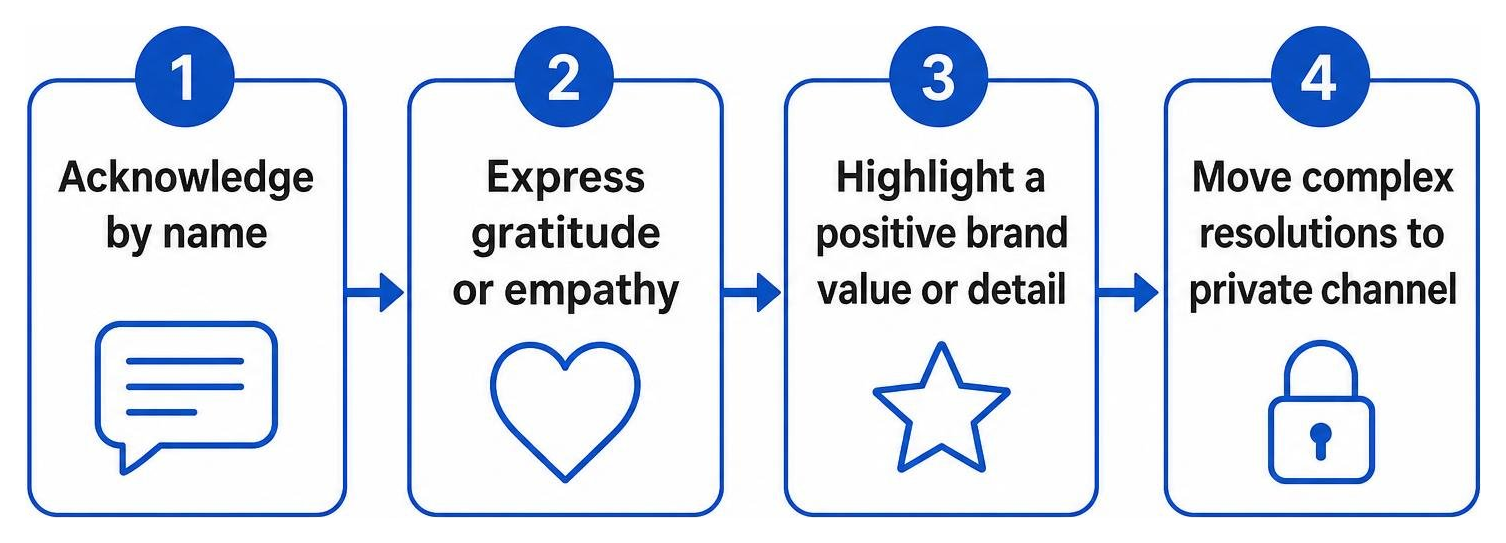
For additional guidance on review management, explore Online Review Management for Dummies and our Small Business Online Reputation Management guide.
Social Media Listening and Brand Engagement
Social listening enables brands to turn everyday customer inquiries into opportunities for brand advocacy. Research shows that 78% of consumers base their trust in a business on their impression of its social media accounts. Conversely, poor social media management can lead to severe losses in customer retention.
Maintaining prompt, transparent audience interaction aids in crisis prevention and encourages positive user-generated content across social platforms. To streamline this process, multi-location brands often partner with an Online Review Management Agency or adopt specialized software. Discover more in our guides on how to manage reviews on Facebook and why review management is the secret weapon for small business.
For deeper strategic insights on operational workflows, review Online Reputation Management Tips: The 2026 Operational Guide and The Complete Guide to SEO Reputation Management.
Reputation Repair and Search Result Suppression Strategies
When unexpected negative reviews or public relations crises occur, effective SERP management relies on content saturation and systematic search suppression. Proactive reputation building reduces vulnerability during crisis response scenarios.
| Strategy Aspect | Proactive Reputation Management | Reactive Crisis Repair |
|---|---|---|
| Focus | Continuous brand monitoring and positive content creation | Immediate damage control and search result suppression |
| Timeline | Ongoing operational strategy | Time-sensitive emergency response |
| Impact | Builds long-term consumer trust and brand equity | Mitigates active reputation risk and suppresses negative content |
Displacing Negative Search Results with Owned Assets
Pushing unfavorable links off the first page of search results requires creating high-authority content, establishing thought leadership, and optimizing canonical brand assets. This is vital because only 5% of search engine users ever look past the first page of Google search results.
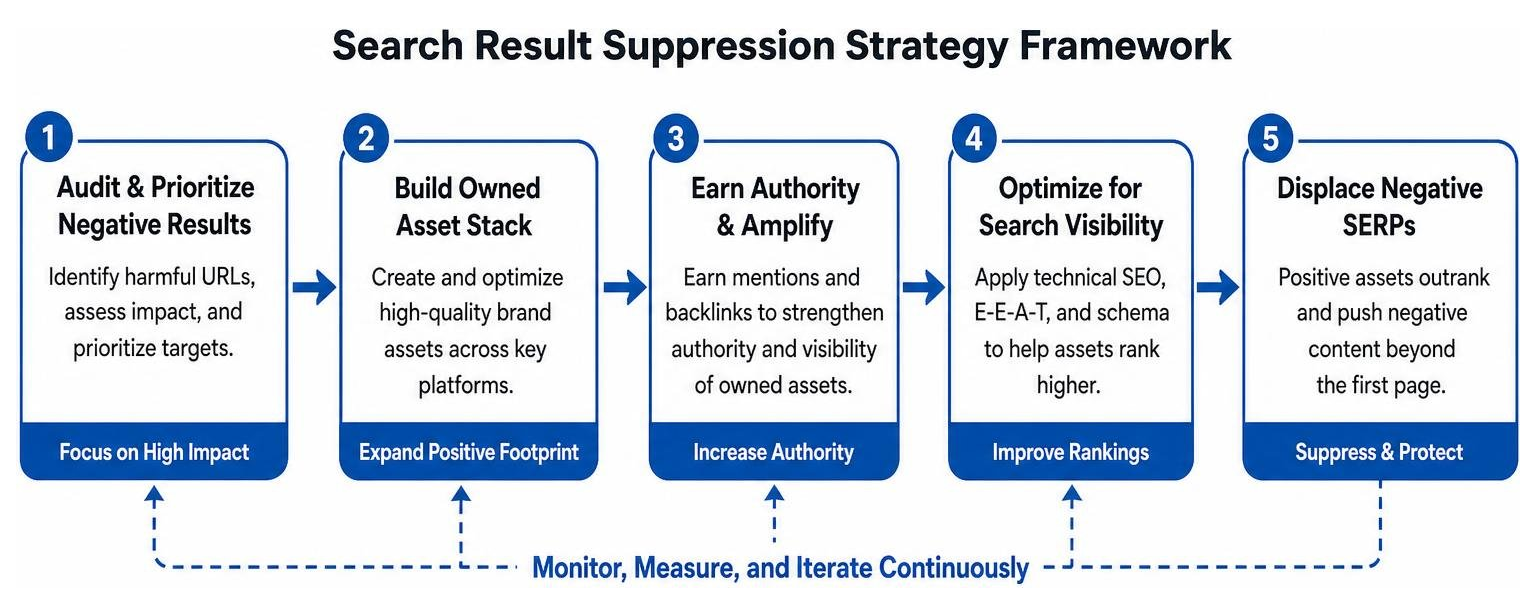
When a brand faces unwanted news coverage or unfair search results, directly deleting third-party links is rarely an option. Instead, brands build an “owned asset stack”—including optimized secondary websites, executive LinkedIn profiles, guest articles, and press releases. By applying strong technical SEO and earning authoritative backlinks, these positive brand assets naturally outrank negative pages over time.
For detailed frameworks on risk assessment and page one control, read about the DRRIe™ Framework For Reputation Intelligence and Online Reputation Repair: A Systems-First Playbook.
Deindexing, Legal Takedowns, and Policy Enforcement
When online feedback involves clear platform policy violations, fake reviews, or defamatory content, legal removal requests offer a direct route for content removal.
Under FTC rules finalized in August 2024, strict regulations govern review authenticity, prohibiting fake reviews, AI-generated testimonials, or rating-contingent incentives with severe financial penalties. If a competitor or bad actor posts fake reviews, brands can submit documented evidence to platform moderators to enforce policy removal. However, legal action regarding genuine consumer opinions should always remain a last resort.
For specialized industry strategies, see The Complete Guide to Hotel Reputation Management, Patient Reviews for Medical Practices, and Drive Your Dealership’s Success.
Tools, Governance, and Business Benefits of ORM
Investing in specialized reputation software offers tangible business benefits, from improving conversion rates to attracting high-quality talent during employee recruitment. A strong online standing mitigates customer churn and preserves core brand trust across all marketing channels.
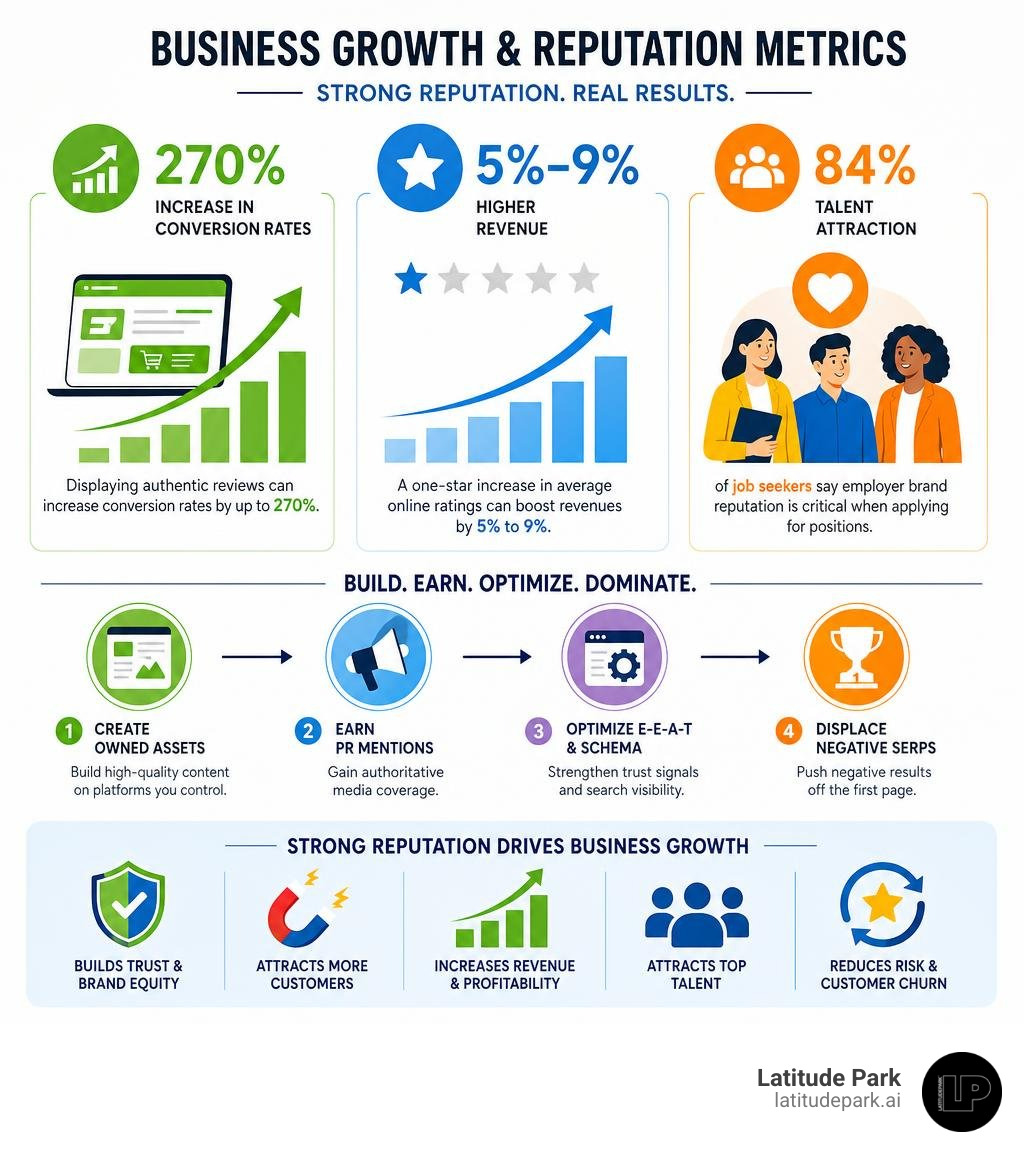
The strategic benefits of active reputation governance include:
- Increased Conversion Rates: Displaying authentic reviews can increase conversion rates by up to 270%.
- Higher Revenue: A one-star increase in average online ratings can boost revenues by 5% to 9%.
- Talent Attraction: 84% of job seekers say employer brand reputation is critical when applying for positions.
- Ad Trust Alternative: Since 84% of consumers admit they do not trust traditional advertising, authentic customer reviews serve as primary sales validation.
Measuring Effective Online Reputation Management Metrics
Tracking key performance indicators provides clear insight into brand health. Organizations should evaluate their composite Trust Index, total review volume, average star rating, AI sentiment scores, and overall customer lifetime value to measure success.
Key performance indicators to track quarterly include:
- Average Star Rating & Net Sentiment: Tracking composite scores across Google Business Profiles, third-party aggregators, and social channels.
- Review Velocity & Volume: Monitoring the frequency and overall quantity of incoming customer feedback across local and global listings.
- Response Rate & Turnaround Time: Evaluating how quickly customer support teams publicly respond to reviews and resolve negative feedback.
- SERP Ownership & Share of Voice: Measuring the proportion of positive owned digital assets dominating top search engine results.
Businesses can explore our articles on why great online business ratings help companies succeed and unlocking Google reviews that convert.
Choosing Online Reputation Software and Platforms
Modern reputation management relies on centralized dashboards, real-time alerts, review aggregators, and automation tools. To understand the strategic necessity of these platforms, read about why people don’t want to buy reputation management software and why they’re wrong.
When evaluating platforms, multi-location businesses should look for tools offering multi-location review aggregation, automated campaign workflows, sentiment tracking, and local directory synchronization. For more details on business directories and software options, check out our resources on:
- Top Sites for Managing Your Online Reputation
- Customer Review Management Platforms
- Local Directory Listing Tools
- Benefits of Using Business Listing Websites
Frequently Asked Questions About Reputation Management
How fast should businesses respond to negative online reviews?
Businesses should aim for same-day resolution whenever possible, or within 24 to 48 hours at most. Prompt responses demonstrate strong customer care standards, reassuring both the reviewer and prospective customers reading public feedback. Studies show 53% of customers expect a response to negative reviews within a week, while 1 in 3 expect a response within 3 days.
Can a business completely remove negative Google search results?
Complete removal is possible if content violates Google’s policies or legal standards, such as containing personal private information or outright defamation. In other cases, strategic content suppression and search displacement are used to push negative results off primary search pages using high-authority owned assets and PR placements.
How does AI search impact brand reputation in 2026?
AI answer engines summarize brand sentiment by aggregating information across web mentions, reviews, and entity databases. Ensuring entity consistency and practicing Generative Engine Optimization helps brands control how AI systems generate brand summaries when prospects query company credibility online.
Conclusion
Building a resilient online presence demands proactive strategy execution and continuous oversight across every channel. Latitude Park specializes in franchise marketing and Meta advertising strategies, helping multi-location businesses maintain a decisive digital trust advantage. To elevate your brand presence, transform your brand review strategy with Latitude Park.