Why Smart Advertising Matters More Than Budget Size
Best ads for small business aren’t about having the biggest budget—they’re about spending strategically on channels that actually reach your customers. Here’s what works:
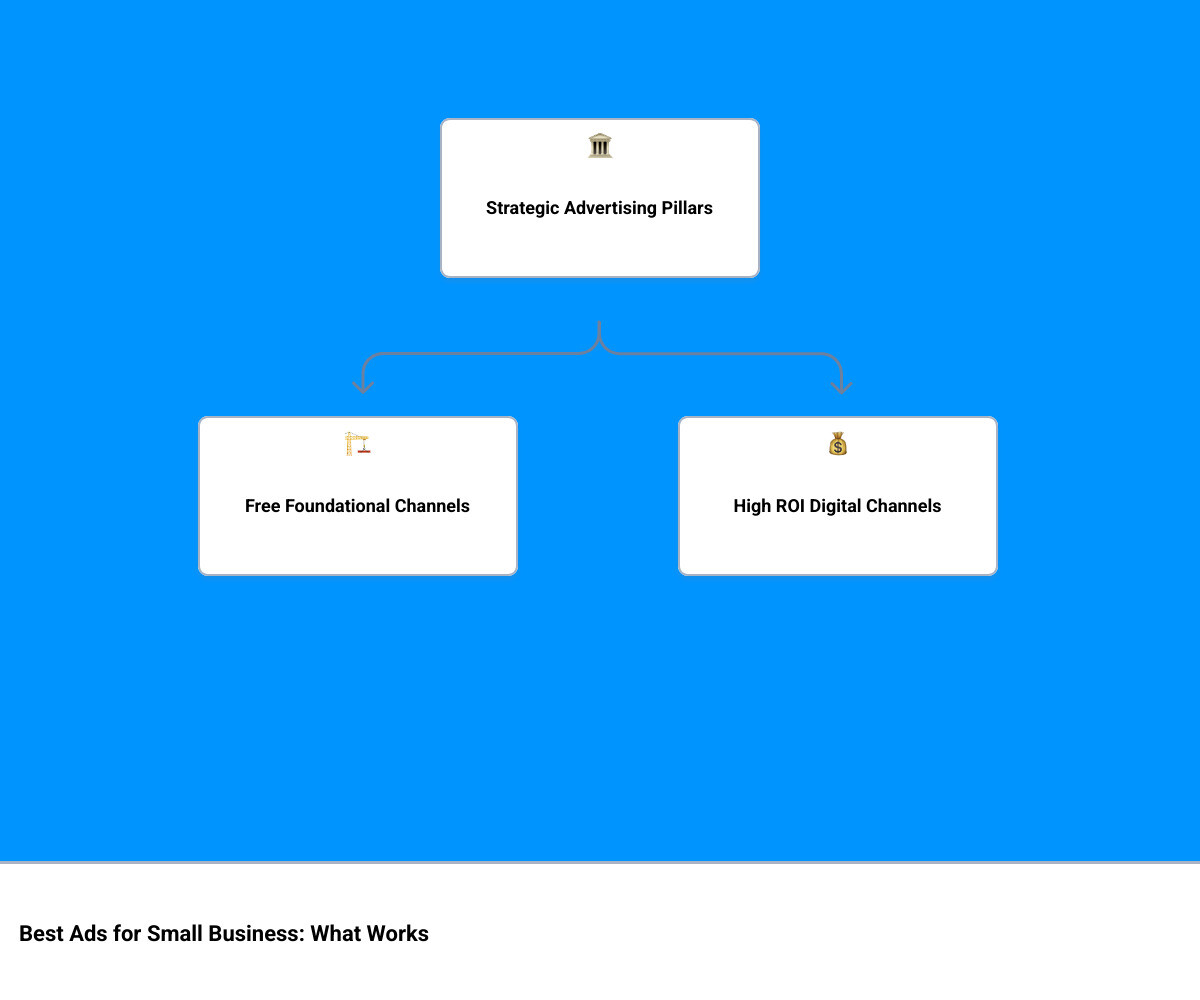
Digital Channels with High ROI:
- Google Search Ads – Capture customers actively searching for your services (pay-per-click)
- Facebook/Instagram Ads – Target specific demographics with budgets as low as $5/day
- Google Local Service Ads – Pay per lead with a “Google Guaranteed” badge for service businesses
- Retargeting Ads – Re-engage website visitors who didn’t convert (70% more likely to buy)
Free Foundations to Build First:
- Google Business Profile optimization (7x more clicks when complete)
- Email marketing to existing customers ($36 ROI per $1 spent)
- Strategic SEO and content marketing
Budget-Friendly Options:
- Micro-influencer partnerships and user-generated content
- Local print and streaming TV ads (94% watch completion rate)
- Cross-promotions with complementary businesses
The biggest mistake franchise marketing managers make is spreading their budget too thin across every available channel. Small business advertisers see up to 2x higher ROI from digital ads compared to traditional channels when they focus on strategic targeting and consistent measurement.
I’m Rusty Rich, founder of Latitude Park, where I’ve spent over 15 years helping small businesses and franchises identify the best ads for small business growth through multi-channel digital advertising strategies. My team and I have seen how the right combination of channels—backed by data and clear tracking—can transform modest budgets into powerful customer acquisition engines.
Best ads for small business terms to learn:
Foundational (and Free) Advertising Channels to Start With
Before you spend a single dollar on paid ads, it’s crucial to build a strong foundation. These free channels are essential for findability and building trust with potential customers. We often tell our clients that a strong digital presence is like having a well-maintained storefront – even if you don’t advertise, people still need to find you and feel confident in what they see.
Optimize Your Digital Storefront: Google Business Profile
Think of your Google Business Profile as your business’s digital front door. It’s often the first thing potential customers see when they search for you online, especially for local services. Neglecting it is like having a fantastic shop but keeping the lights off!
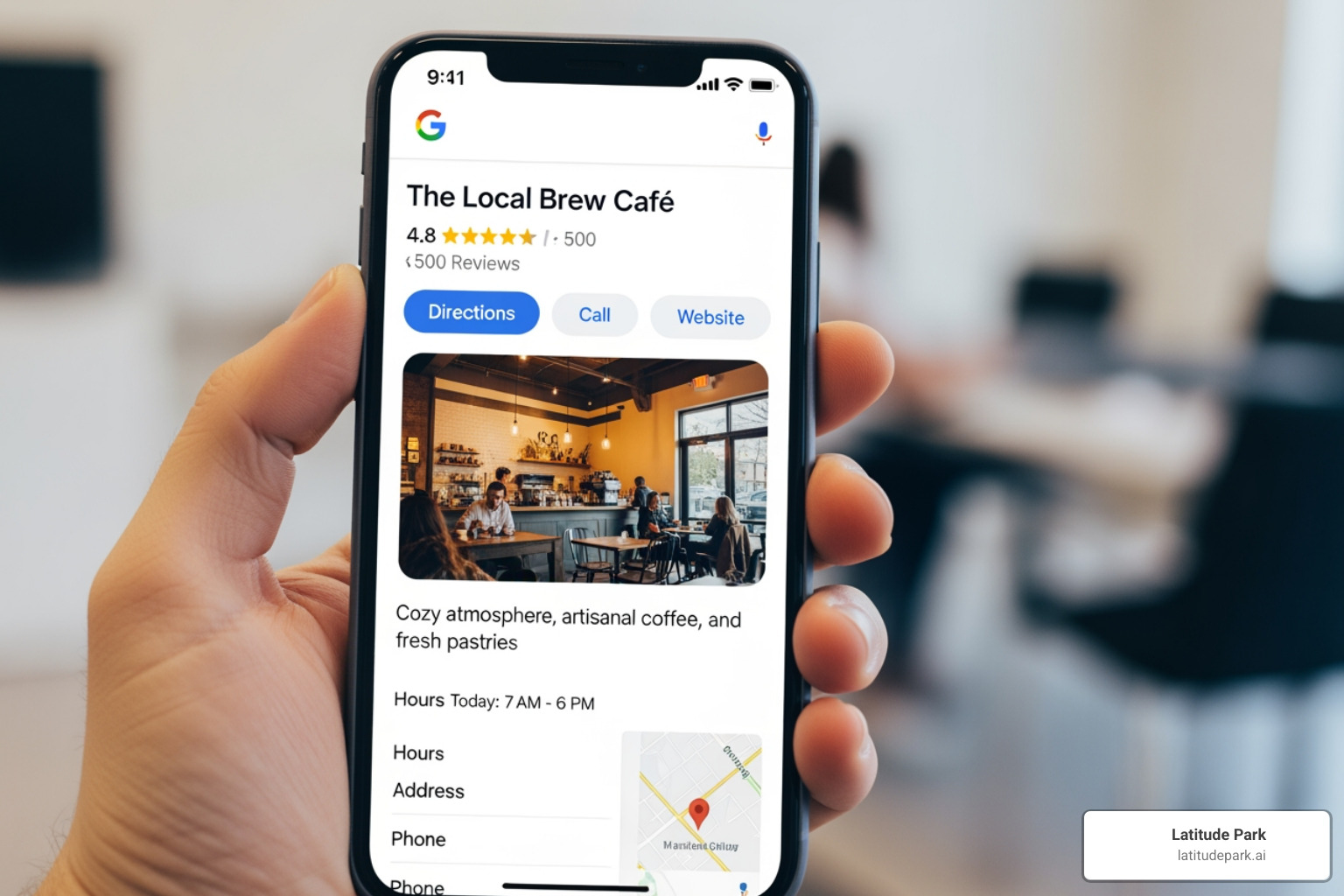
A complete and optimized Google Business Profile (formerly Google My Business) is a completely free tool that lets you manage how your business appears in Google Search results and Google Maps. Businesses with complete Google Business Profiles get 7x more clicks than those without. That’s a huge return for zero monetary investment!
What are the benefits of optimizing my Google Business Profile?
It helps manage how your business appears in Google Search results, offering exposure similar to paid ads. You can fill out all business information, use keywords, add images and videos, and respond to reviews.
Actionable Steps:
- Claim and Verify: Ensure you’ve claimed and verified your business.
- Complete All Fields: Fill out every section: hours, services, products, photos, and descriptions.
- Use Keywords: Naturally integrate keywords potential customers might use to find you in your business description and service listings.
- Upload High-Quality Photos: Showcase your best work, your team, and your location.
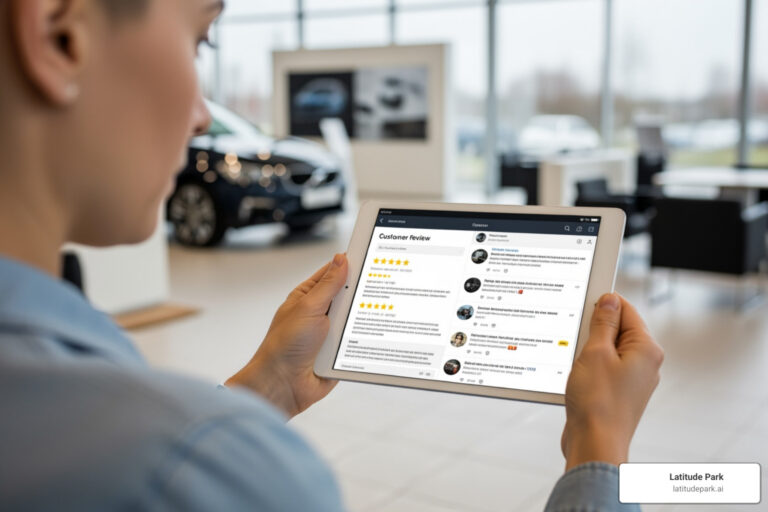
- Encourage and Respond to Reviews: 88% of consumers trust online reviews as much as personal recommendations. Proactively ask happy customers for reviews and respond professionally to all feedback.
- Post Updates: Use the “Posts” feature to share news, offers, or events.
Optimizing your Google Business Profile is a fundamental step in local marketing for small business and is covered in more detail in our Google Business Profile Optimization Tips and Why Local Business Listing is Essential articles.
Harness the Power of Search with SEO
Search Engine Optimization (SEO) isn’t just for big corporations. For small businesses, it’s about making sure your website shows up when potential customers are actively looking for what you offer. 90% of shoppers start their purchase journey with search. If you’re not there, you’re missing out!
How can you optimize your website for SEO?
SEO helps websites rank higher in search results. It involves using the right keywords, creating valuable content, and ensuring your site is technically sound.
Actionable Steps:
- Keyword Research: Use tools like Google Keyword Planner to find the keywords and phrases your customers might type into Google.
- Create Valuable Content: Develop helpful blog posts, guides, or FAQs that answer common questions related to your services. This positions you as an expert.
- Optimize for AI Overviews (AIOs): Focus on answering common questions with concise, accurate information to increase your chances of appearing in AI Overviews (AIO)s.
- Technical SEO: Ensure your website is fast, secure (HTTPS), and mobile-optimized. Check your site’s speed with Google PageSpeed Insights.
- Local SEO: Ensure your name, address, and phone number (NAP) are consistent across all online directories.
These Small Business SEO Tips and insights into 8 Ways SEO Marketing Services Can Help Your Business can help you get started.
Build Relationships with Email Marketing
In the age of endless scrolling, email marketing remains a direct and incredibly effective way to communicate with your audience. It’s personal, purposeful, and delivers a fantastic return on investment.
How can email marketing be used for free advertising?
Email marketing can be used for free by sending newsletters, promotions, and feedback requests directly to customers, using a conversational tone to display brand voice. The ROI on email marketing averages $36 for every $1 spent, making it one of the most efficient channels.
Actionable Steps:
- Build Your List: Offer incentives like a discount or a free guide in exchange for an email address.
- Segment Your Audience: Group your list based on interests or past purchases for more personalized communication.
- Provide Value: Your emails shouldn’t always be about selling. Share helpful tips, behind-the-scenes content, or exclusive insights.
- Automate Campaigns: Set up automated welcome sequences for new subscribers or abandoned cart reminders. Small Business Automation Tools can streamline this.
- Be Conversational: Use a warm, friendly tone that reflects your brand’s personality.
A good Best CRM for Small Business can help you manage your email lists and automate your campaigns effectively.
The Best Ads for Small Business: Top Digital Advertising Platforms
Once your foundation is solid, you can amplify your reach with paid digital advertising. These platforms offer powerful targeting and measurable results, allowing you to connect directly with customers ready to buy. We often view these as accelerators for your growth, leveraging the groundwork you’ve already laid.
Capture High-Intent Customers with Google Search Ads
When someone types a query into Google, they often have a specific need or problem they’re trying to solve. Google Search Ads allow your business to appear at the very top of these search results, directly in front of high-intent customers.
Why do Google Search Ads work?
They work because you’re reaching people at the exact moment they’re expressing interest in what you offer. 90% of shoppers start their purchase journey with search, making this a critical channel.
Actionable Steps:
- Keyword Strategy: Start with a tight set of keywords that closely match what you offer. Use Google Keyword Planner to find relevant terms.
- Compelling Ad Copy: Write clear headlines and descriptions that highlight your unique selling proposition and include a strong call to action.
- Ad Extensions: Use extensions (like location, phone number, site links) to provide more information and increase your ad’s visibility.
- Dedicated Landing Pages: Align your ads with a dedicated landing page that is highly relevant to the ad’s message to improve conversion rates.
- Monitor and Optimize: Regularly review campaign performance, adjust bids, and refine keywords to improve your return on ad spend (ROAS).
New Google Ads users can often get a boost: Google offers a couple of promotional deals, including $500 in free ad credits when you spend $500. For a deeper dive, check out Everything to Know About Paid Google Ads: The Marketer’s Guide.
Reach Niche Audiences with Social Media Ads
Social media platforms like Facebook and Instagram are where a huge portion of your audience spends their time daily. Over two-thirds of adults scroll social media feeds daily, offering an unparalleled opportunity for targeted advertising.
How can I use social media ads effectively with a small budget?
Social media platforms—especially Facebook and Instagram—are typically the most budget-friendly ads for small business. Their targeting lets new advertisers start small, test rapidly, and refine based on clear results. Even small budgets, as low as $5 a day, can outperform bigger brands if spent smartly.
Actionable Steps:
- Hyper-Targeting: Use Facebook’s “Detailed Targeting” to define your ideal audience by location, interests, demographics, and behavior.
- Engaging Formats: Experiment with carousel ads to showcase multiple products or video ads for storytelling.
- Compelling Copy & Visuals: Craft ad copy that sparks curiosity and includes a clear call to action, paired with eye-catching visuals.
- A/B Testing: Test different ad creatives, headlines, and calls to action to see what resonates best.
- Tracking: Always use the Facebook Pixel to measure sales and leads, allowing you to optimize for conversions.
Our guides on Facebook Ads for Small Business, The Ultimate Guide to Social Media Marketing, and Social Media Ads provide comprehensive strategies.
Become the Trusted Choice with Google Local Service Ads
For service-based businesses, Google Local Service Ads (LSAs) are a game-changer. These ads appear at the very top of Google search results, often above traditional PPC ads, and come with a special badge of honor.
What are the benefits of Google Local Service Ads for service-based businesses?
LSAs offer a “Google Guaranteed” badge, which instantly builds trust. This means Google has vetted your business, providing a level of assurance that can be invaluable. They operate on a pay-per-lead model, so you only pay when a qualified customer contacts you.
Actionable Steps:
- Google Guaranteed Screening: Complete Google’s screening and verification process to earn the “Google Guaranteed” badge.
- Quick Lead Response: Respond promptly to leads to increase your chances of converting them into customers.
- Maintain High Ratings: Encourage happy customers to leave reviews to boost your visibility and credibility.
- Manage Your Profile: Use Google’s dashboard to track calls, respond to reviews, and manage your ad schedule.
This is a fantastic option for plumbers, electricians, and other local service providers. Learn more in our Google Ads Local Business Guide and find the 7 Keys to Local Search Success.
Re-Engage Warm Leads with Retargeting Ads
Have you ever visited a website, left without buying, and then seen ads for that exact product pop up everywhere? That’s retargeting (or remarketing), and it’s incredibly effective.
How can small businesses use retargeting ads to re-engage potential customers?
Retargeting ads target users who have previously interacted with your website or social media, making them much more likely to convert. In fact, retargeted visitors are 70% more likely to convert than first-time viewers.
Actionable Steps:
- Install Tracking Pixels: Implement tracking pixels (like Facebook Pixel or Google Tag) on your website to “remember” visitors.
- Segment Your Audience: Create different retargeting lists based on user behavior (e.g., visited a product page, added to cart).
- Offer Incentives: Entice returning visitors with special offers, discounts, or free shipping.
- Set Frequency Caps: Avoid “ad fatigue” by limiting how often your ads are shown to the same person.
- Exclude Converted Users: Make sure to exclude converted users from your campaigns to avoid wasting budget.
Retargeting is a sophisticated yet accessible strategy for digital advertising that uses clear tracking with conversion pixels and UTM codes to ensure every dollar is spent wisely.
Expanding Your Reach: Creative & Community-Based Advertising
Digital ads are powerful, but a well-rounded strategy includes creative approaches that build brand loyalty and tap into your local community. We believe in a holistic approach, where online and offline efforts complement each other.
Build Authenticity with Influencer Marketing and UGC
In today’s skeptical world, trust is gold. People are more likely to buy from businesses recommended by someone they know or trust. This is where influencer marketing and user-generated content (UGC) shine.
What role does influencer marketing and user-generated content play in small business advertising?
Influencer marketing leverages individuals with an audience to promote your products, while UGC involves customers creating content about your brand. Both build authenticity and social proof. 88% of consumers trust online reviews as much as personal recommendations, highlighting the power of authentic endorsements.
Actionable Steps:
- Micro-Influencers: Partner with micro-influencers who have smaller, highly engaged niche audiences. They are often more authentic and budget-friendly.
- Encourage UGC: Run contests, create unique hashtags, or ask customers to share their experiences with your product. Feature their content on your social media.
- Clear Guidelines: Provide clear guidelines to influencers but allow them creative freedom to maintain authenticity.
- Leverage Reviews: Actively solicit and showcase customer reviews and testimonials. Our articles like Online Review Management for Dummies: Reviews from the Ground Up and What Are the Benefits of Online Reviews? can help.
Don’t Discount Traditional Ads: Print, Direct Mail, and Local Media
While digital advertising offers incredible precision, traditional methods still hold sway, especially for local businesses. Sometimes, a physical touch or a local mention can cut through the digital noise.
How can local businesses use traditional advertising methods like print or direct mail effectively?
Traditional ads, when used strategically, can be very effective for local businesses. They offer a tangible presence and can reach audiences who might be less active online.
Actionable Steps:
- Local Publications: Consider advertising in local community newspapers or magazines, which often have a dedicated readership.
- Targeted Direct Mail: Instead of mass mailings, use targeted direct mail. For example, send postcards to new homeowners in your service area. Ensure your mail includes a clear offer and a trackable element like a unique promo code.
- Streaming TV Advertising (CTV): Modern CTV platforms allow small businesses to run ads on streaming services with low starting costs. These ads have very high completion rates, offering broad reach with digital-like targeting.
- Vehicle Wraps: If your business has vehicles, a professional vehicle wrap acts as a moving billboard, generating thousands of impressions daily in urban areas.
These methods can be incredibly effective for Local Marketing for Small Business.
Grow Through Your Community with Partnerships and Events
Building strong relationships within your local community can be one of the most organic and rewarding forms of advertising. It fosters goodwill, generates word-of-mouth, and creates a network of support.
Actionable Steps:
- Cross-Promotions: Partner with complementary local businesses. A coffee shop could team up with a bookstore, or a gym with a health food store.
- Local Sponsorships: Sponsor a local sports team, school event, or community festival to build brand awareness.
- Host Workshops/Events: Offer free workshops related to your expertise to position yourself as an expert and bring potential customers through your door.
- Networking: Actively participate in local business groups and local chambers of commerce.
- Community Involvement: Support local causes or volunteer your time to build a positive brand image.
These strategies are integral to the Best Marketing Strategies for Small Business and can lead to powerful, authentic growth.
Creating a Winning Advertising Strategy
Choosing your channels is only half the battle. A successful advertising plan requires clear goals, consistent measurement, and a willingness to adapt. Without these, even the best ads for small business can fall flat.
How to Measure the Success of Your Small Business Ads
One of the greatest advantages of digital advertising is its measurability. Unlike traditional methods where you might just hope for the best, digital platforms provide a wealth of data to help you understand what’s working and what’s not.
How can small businesses measure the success of their advertising campaigns?
By understanding and tracking key metrics like click-through rates (CTR), conversion rates, cost per acquisition (CPA), and return on ad spend (ROAS), and by using analytics tools like Google Analytics and Facebook Insights.
Actionable Steps:
- Install Tracking Pixels: Ensure you have tracking pixels (like Google Tag and Facebook Pixel) properly installed on your website.
- Define Key Metrics: Focus on metrics relevant to your goals, such as Cost Per Acquisition (CPA), Return On Ad Spend (ROAS), and Conversion Rate.
- Use Analytics Tools: Leverage tools like Google Analytics to track website traffic, user behavior, and conversions from your ad campaigns.
- Set Up Goals: Configure goals in Google Analytics to track specific actions, such as purchases or form submissions.
- Regular Reporting: Review your data regularly (weekly or bi-weekly) to identify trends and make informed decisions.
For a comprehensive understanding, our Digital Advertising Media Complete Guide can be very helpful.
Common Advertising Mistakes and How to Avoid Them
Even with the best ads for small business in mind, pitfalls exist. We’ve seen countless small businesses make avoidable errors that drain their budget and leave them feeling frustrated.
What are the most common mistakes small businesses make when advertising, and how can they be avoided?
- Spreading Budget Too Thin: Trying to be everywhere at once with a small budget means you’re effective nowhere. Instead, focus your budget on one or two channels, master them, and then expand.
- Vague Targeting: Running ads without a clear understanding of your ideal customer. Invest time in creating detailed customer personas and use platform targeting tools to reach them.
- No Clear Call-to-Action (CTA): Leaving customers wondering what to do next. Every ad needs a single, unambiguous CTA (e.g., “Shop Now,” “Call for a Quote”).
- Ignoring Creative Fatigue: Showing the same ad too many times. Rotate your photos, videos, and ad copy every few weeks to keep campaigns fresh.
- Improper Tracking: Not knowing which ads are actually driving results. Always ensure proper tracking is in place (e.g., Facebook Pixel) to measure real sales and leads.
- Forgetting Mobile Users: Not adapting creative for smartphones. Design your ads and landing pages with mobile users in mind, as most people browse on their phones.
Our articles on 11 Disastrous Online Marketing Mistakes and How to Avoid Them and 5 Online Business Marketing Mistakes Big Companies Make offer more insights.
Setting a Budget and Deciding When to Get Help for the best ads for small business
The question of budget is always top of mind for small business owners. It’s not just about how much to spend, but how to allocate it wisely and when to consider outside help.
What is a recommended monthly advertising budget for a small business, and how should it be allocated?
A good starting point for ads for small business is 5–10% of gross revenue. Even $250–$500/month can drive significant leads when combined with strong creative and targeting. Allocate your budget based on your chosen channels, focusing more on high-intent platforms like Google Search Ads initially.
How can small businesses choose between running ads in-house versus hiring an agency?
- DIY (In-House): This is a great way to learn and keep costs down when starting. Most small businesses can launch effective ads using user-friendly ad managers and online tutorials.
- Hiring an Agency: As campaigns grow more complex or if you lack time, an experienced agency can help scale faster and avoid costly mistakes. It’s an investment that often pays for itself in improved ROI.
How long should a small business test an advertising campaign before deciding if it’s successful?
Allow ads for small business to run for at least seven days to collect usable data. If budgets are low, two weeks provides a clearer picture of performance. Making hasty decisions based on insufficient data is a common mistake. Once you identify successful campaigns, you can gradually increase your budget and scale your efforts.
For broader marketing insights, explore our Best Marketing for Small Businesses article.
Frequently Asked Questions about Ads for Small Business
We understand you might have some lingering questions, so we’ve addressed the most common ones we hear from small business owners.
What’s the most cost-effective ad platform for beginners?
Social media platforms—especially Facebook and Instagram—are typically the most budget-friendly ads for small business. Their detailed targeting options and user-friendly ad managers let new advertisers start small, test rapidly, and refine based on clear results.
How long should I test an ad before deciding if it works?
You should allow an ad campaign to run for at least seven days to collect enough data for a meaningful analysis. If your budget is very low, extending the test to two weeks can provide a clearer picture of performance trends. Making decisions too quickly based on one or two days of data is a common and costly mistake.
Should I focus on brand awareness or direct sales ads?
For most small businesses with limited budgets, starting with direct response advertising (like search ads or promotional social ads) is the best approach because it’s easier to track immediate ROI. As your business grows, incorporating brand awareness campaigns (like video ads or content promotion) will build a stronger foundation, making your direct response ads even more effective over time. A healthy mix is the ultimate goal.
Grow Your Business with the Right Advertising Mix
Finding the best ads for small business isn’t about trying everything at once. It’s about starting with a solid, free foundation, choosing one or two paid channels that align with your goals, and committing to testing and measuring your results. By taking a strategic and data-driven approach, you can turn a modest budget into a powerful engine for growth.
At Latitude Park, we specialize in helping businesses steer the complexities of digital advertising to achieve scalable growth. If you’re ready to take your advertising to the next level, explore our digital ads management services to see how we can help.